Breaking News


By Pa Modou Cham
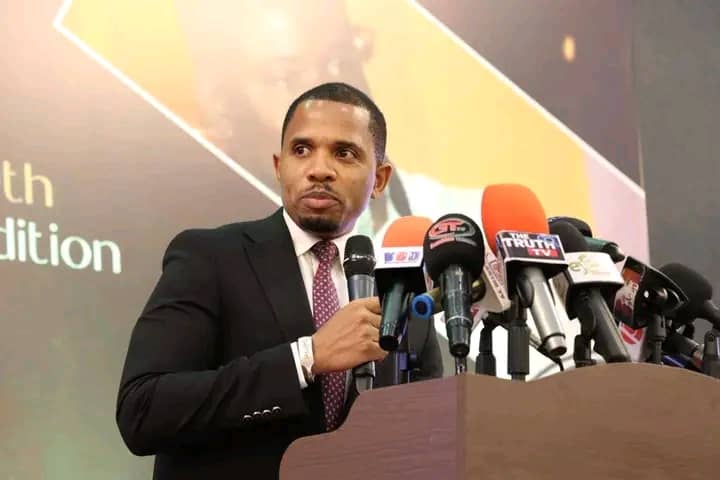
The National Assembly of The Gambia yesterday witnessed a tense intervention from the Member for Banjul North, Hon. Modou Lamin B. Bah, as lawmakers continued debating the 2026 national budget. Hon. Bah expressed concern over what he described as a lack of “budget spirit” and low participation by members during one of the Assembly’s most important annual exercises.
Taking the floor, Hon. Bah compared the atmosphere in the Chamber to other countries where budget debates attract high engagement from legislators. He criticised the apparent lukewarm participation, calling it “unfortunate” for a Parliament that should be leading national development dialogue.
Despite his concerns, he commended the Minister of Finance and his team for preparing the budget, as well as the Finance and Public Accounts Committee (FPAC) for its detailed report. He reminded members of a remark previously made by the Majority Leader, describing the national budget as “the most powerful instrument” Parliament possesses to turn national vision into concrete development results.
However, Hon. Bah warned that as long as the country continues merely “managing problems,” it will not solve them. He highlighted the rising cost of debt servicing as the most pressing concern, noting that the allocation of nearly D13 billion, almost one-third of domestic revenue, to debt obligations was unsustainable. He urged the Assembly to assess the long-term impact of such commitments on national development.
The Banjul North representative also emphasised the need to prioritise social sector ministries, including health and education. He pointed to the government’s reliance on grants and loans, stressing that when grant projections fail, the country is forced into more borrowing. He argued that Parliament should push for clearer mechanisms to ensure ministries receive the allocations approved for them.
Hon. Bah raised alarm over the lack of transparency in revenue generated by public hospitals, questioning why funds continue to be allocated when even the Ministry of Health “doesn’t know how much these hospitals are making.” He described this lack of accountability as unacceptable, insisting that health sector financing needs to meet the 15% commitment outlined in regional agreements that The Gambia has ratified.
On education, he criticised the disparity between the arrears owed to the Ministry of Higher Education and its much smaller budget allocation, calling it an issue that undermines national development goals. He urged Parliament to adopt mechanisms that ensure budget allocations are aligned with institutional needs.
Turning to youth matters, Hon. Bah described young Gambians as the “current and future leaders” but lamented the chronic lack of investment in sporting facilities. He revealed that the Gambian Professional League has not commenced due to inadequate infrastructure, noting that even the iconic KG5 field in Banjul is currently under construction, making it impossible to host traditional tournaments.
Hon. Bah concluded with a call for Parliament to take a stronger stance in pushing for transparency, accountability, and adequate investment in health, education, and youth development, insisting that these sectors form the backbone of national progress.