Breaking News


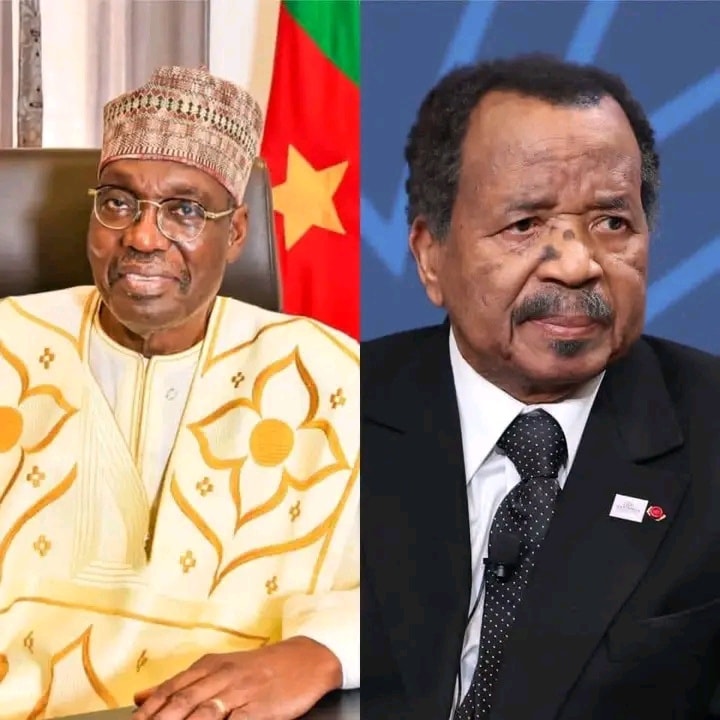
The Gambia’s decision to host Cameroonian opposition figure Issa Tchiroma Bakary marks a significant moment in West and Central African diplomacy, one that deserves both recognition and careful reflection. According to the statement issued by the Ministry of Information, Media and Broadcasting Services of The Gambia, Bakary’s arrival on 7 November 2025 is being treated strictly as a humanitarian matter. Yet, this event is undeniably tied to the broader political tremors shaking Cameroon and, by extension, the African continent.
At a time when Cameroon is engulfed in post-election unrest, with disputed results and violent confrontations, The Gambia has offered safe passage to a political figure whose security is at risk. This gesture aligns with the long-standing African value of solidarity, a principle that often shines brightest when states choose compassion over political convenience. In hosting Bakary, The Gambia sends a signal that human life and safety remain paramount even amid geopolitical sensitivities.
However, humanitarian sympathy must be balanced with diplomatic prudence. Cameroon remains a sovereign state and a member of the African Union, and any perception that Gambian soil is being used for political maneuvering could spark tension. The government’s statement rightly emphasized that Banjul will not allow its territory to become a platform for subversive activity. Such reassurance is essential, especially considering Africa’s fragile political landscape, where misunderstandings can escalate quickly.
Still, this situation presents an opportunity for The Gambia to play a constructive mediating role. Regional instability, whether in Cameroon, Guinea-Bissau, Mali, or Niger, reinforces the need for African states to act as moral anchors for one another. By providing temporary refuge, The Gambia positions itself not as a partisan actor, but as a responsible member of the African community willing to shield the vulnerable while encouraging dialogue.
But the question remains: What comes next? Humanitarian refuge cannot be a permanent solution. Diplomatic actors, including neighboring powers like Nigeria, must help guide Cameroon toward a peaceful and credible resolution to its electoral crisis. The safety of one political leader should be the beginning of a broader regional push for stability, transparency, and accountability.
Ultimately, The Gambia has made a courageous and principled choice. Protecting a threatened political figure is not just an act of kindness; it is an affirmation of Africa’s collective values. The responsibility now lies in ensuring that this humanitarian gesture contributes to peace rather than deepening divisions.