Breaking News

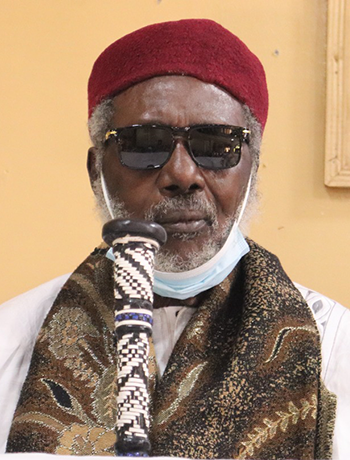
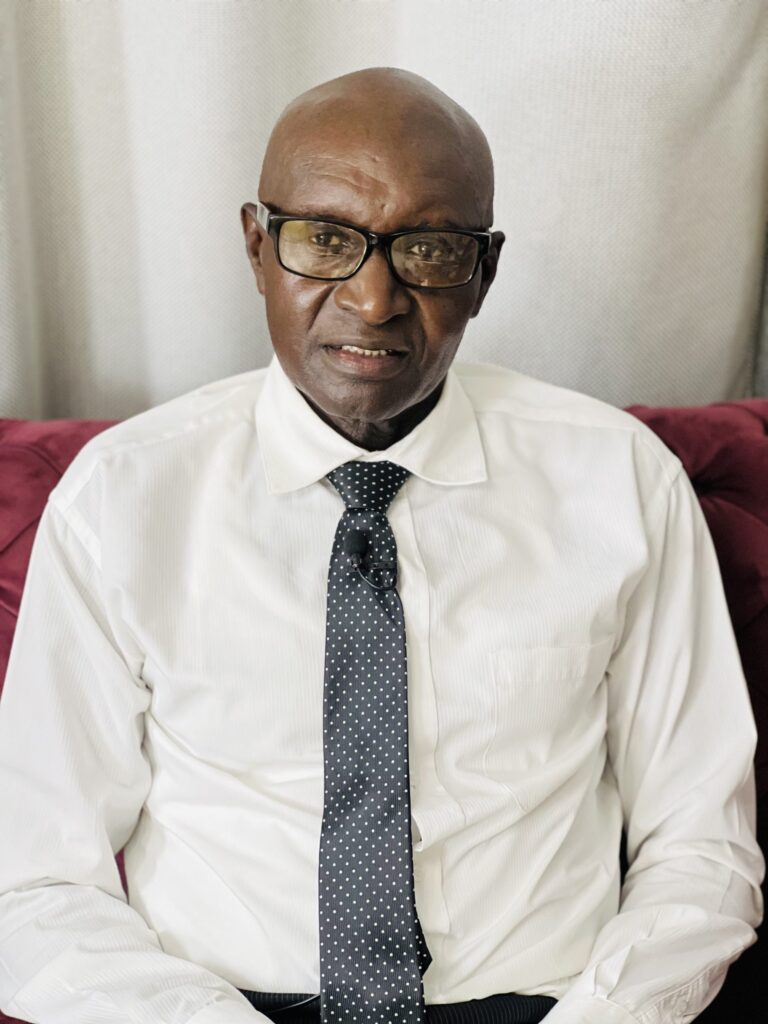
When Banjul’s call to prayer rises over the Atlantic and the island’s narrow streets, the voice that guides many of its Muslims is shaped as much by tradition as by the life of the man who stands at its centre: Alhagie Cherno Alieu Mass Kah, the Imam Ratib of Banjul. For two decades he has been more than a ritual leader; he is a teacher, mediator, custodian of memory and a public advocate for peace in a city whose social rhythms still pivot around the mosque.
Born into a family of religious leadership in the Medina Serigne Mass community, Cherno Kah’s roots run deep. He is the son of Imam Serign Alieu Kah and the grandson of Sering Mam Mass Kah, the founder of Medina Serigne Mass, a lineage that established him within a long line of local Islamic scholars and community organisers. That family history is part of what gave Kah both legitimacy and a sense of stewardship when, in 2004, he was elected by the Banjul mosque’s management committee to succeed the late Imam Abdoulie Jobe as Imam Ratib of Banjul.
Before the robes and the pulpit became his full-time calling, Cherno Kah was a high-school teacher. Those years in the classroom explain the steady, didactic cadence of his sermons and the patience with which he receives delegations at his compound: he speaks like someone used to explaining complicated ideas in simple steps. The transition from educator to the city’s leading imam was not merely a change of job; it transformed a pedagogue into a public moral voice, called upon to interpret faith for civic life.
Kah’s public role has long included convening beyond the walls of the mosque. He leads the Banjul Muslim Elders’ Committee and represents the city’s Muslim elders in national interfaith and civic forums. In recent years he has been the face of calls for calm before, during and after elections, urging Gambians to place unity and tolerance over partisan rancour. Diplomats and visiting envoys have recognised this peacemaking role. In 2023 the U.S. Ambassador paid a reciprocal visit to the Imam in recognition of his long-standing preaching of peace and community reconciliation. Such visits underscore how his authority extends into civil society and international engagement.
Those who know him describe a simple, steady wisdom. Kah’s preaching leans on three recurrent themes: piety expressed through action, the centrality of family and community bonds, and the duty of religious leaders to serve as bridges between people of differing views. On public occasions he has repeatedly reminded congregations that faith without social responsibility is incomplete, not a sermon aimed at the abstract, but at the mechanics of daily life: charity, honesty, restraint and hospitality. This practical bent reflects both his teaching background and the expectations of the Ratib office, which historically has combined ritual leadership with community arbitration.
Kah’s tenure has not been without challenges. His 2004 appointment followed a contested succession that exposed tensions around leadership in the mosque and among influential religious families. Yet he has weathered those early divisions and built a reputation for measured counsel. His public honours, including national recognition and awards for his religious leadership, reflect how the wider Gambian state and religious institutions have come to see him as a stabilizing figure in civic life.
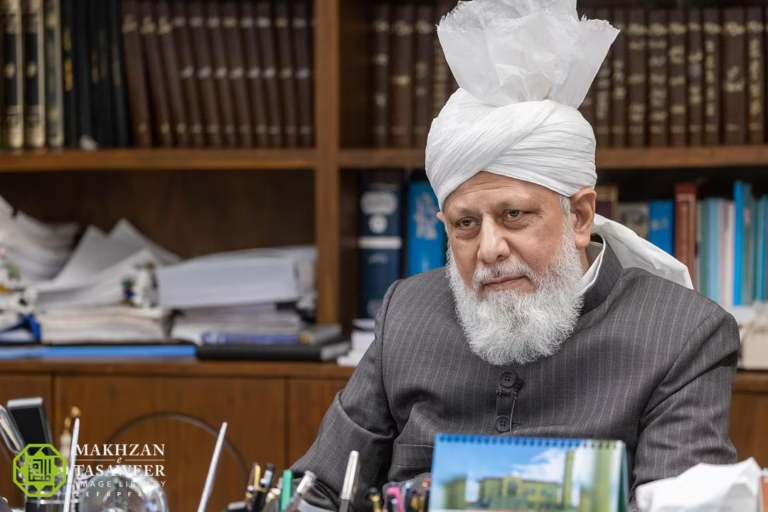
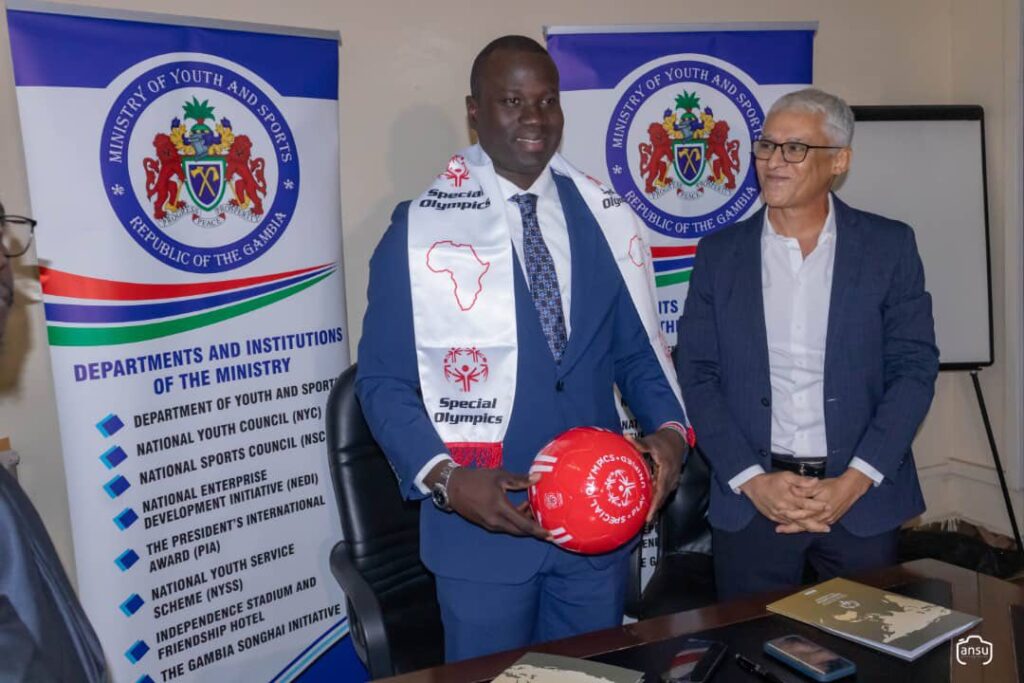
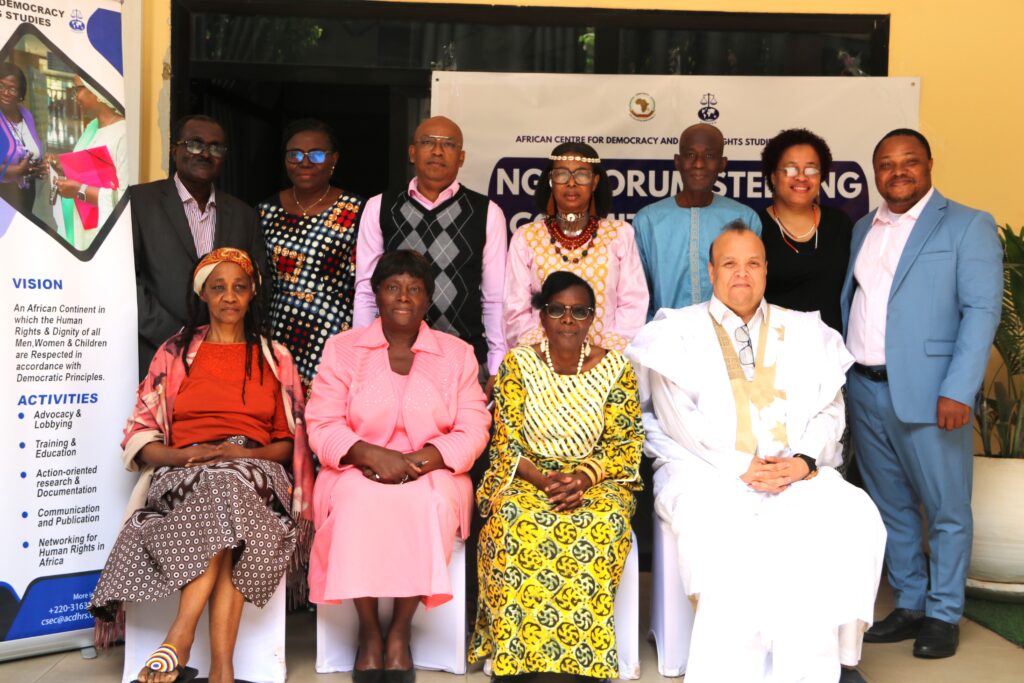
A striking feature of his leadership is accessibility. Whether receiving delegations from the Gambia Radio and Television Services to offer thanks for Ramadan coverage, welcoming foreign envoys, or presiding at local ceremonies, Kah’s presence is a daily reminder that religious leadership in Banjul is not confined to pulpit theology but flows into social rituals, media, and public diplomacy. The photographs of him with elders, officials and diplomats capture a man who prefers the company of listeners to that of flattery, another mark of the teacher in him.
What can younger Gambians learn from Imam Kah? First, that leadership can be humble. He models an unostentatious public life: dignified attire, patient speech, a consistent message that moral behaviour matters more than rhetoric. Second, that faith can be a basis for social responsibility, an argument he has made repeatedly in sermons that call for unity and service. Finally, his life is a reminder that institutional memory matters: the mosque in Banjul is as much a repository of community history as a house of worship, and its custodianship demands both reverence for tradition and openness to the needs of the present.
Imam Cherno Alieu Mass Kah’s story is not dramatic in the sense of sudden triumphs or fallings; it is instead a career of steady public work. In a small capital like Banjul, where social authority is often dispersed across family networks and religious lineages, his combination of lineage, pedagogy and public service has made him an anchor.