Breaking News


By Staff Reporter
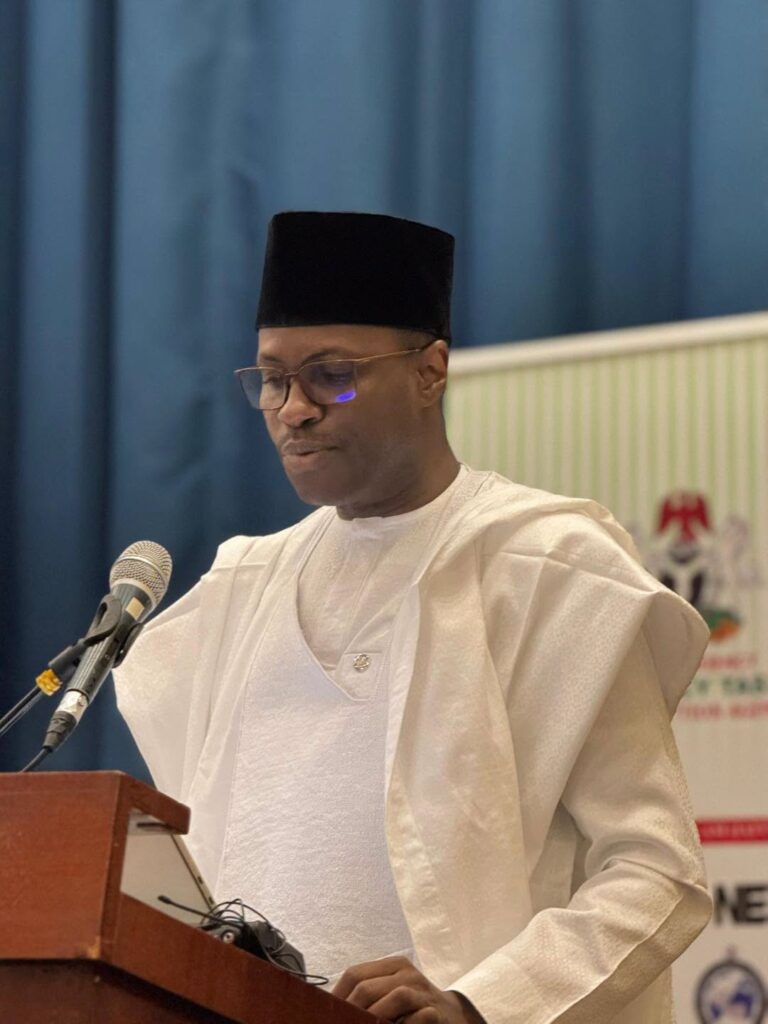
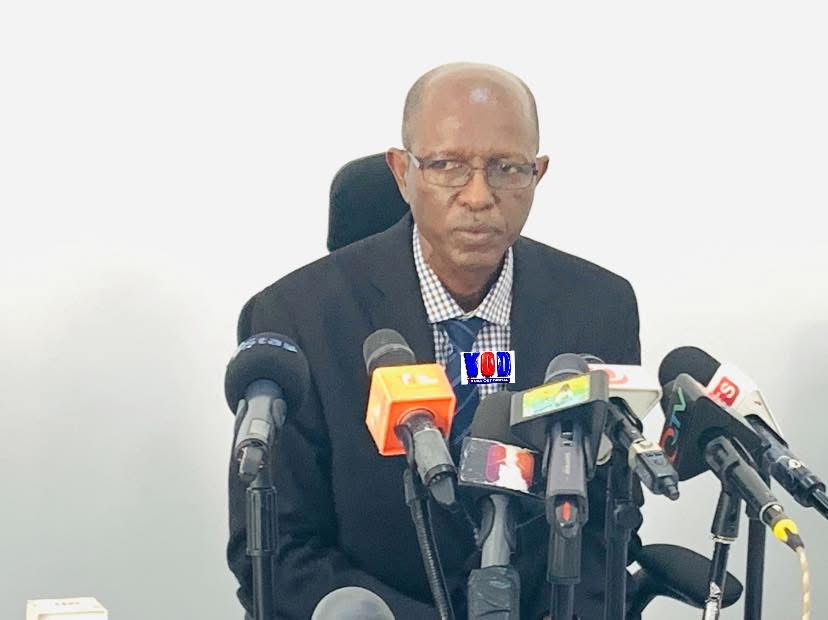
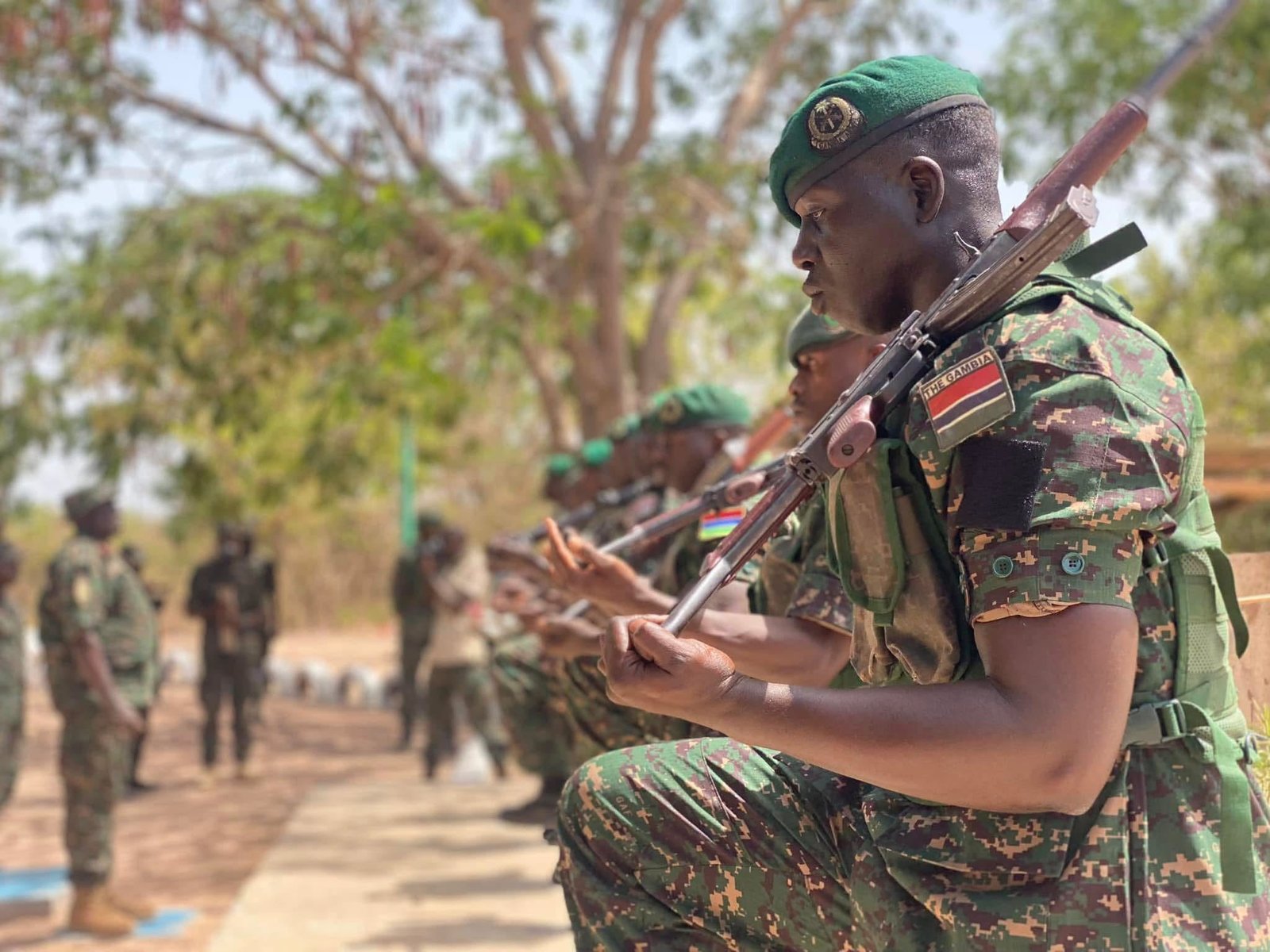
Information Minister Dr. Ismaila Ceesay has rejected claims that the continued presence of a limited number of ECOMIG personnel in The Gambia has compromised the country’s control over its national security.
In a statement published on his Facebook page yesterday, Ceesay described the narrative as misleading, arguing that the presence of regional security personnel should not be mistaken for a transfer of national security authority.
“There is a misleading narrative that because a limited number of ECOMIG personnel remain in The Gambia, Gambians somehow no longer control their own national security,” Ceesay wrote.
“That assertion is simply incorrect and risks reducing a serious national security matter to political propaganda.”
The Minister said The Gambia’s principal security institutions remain under Gambian leadership, command and legal authority.
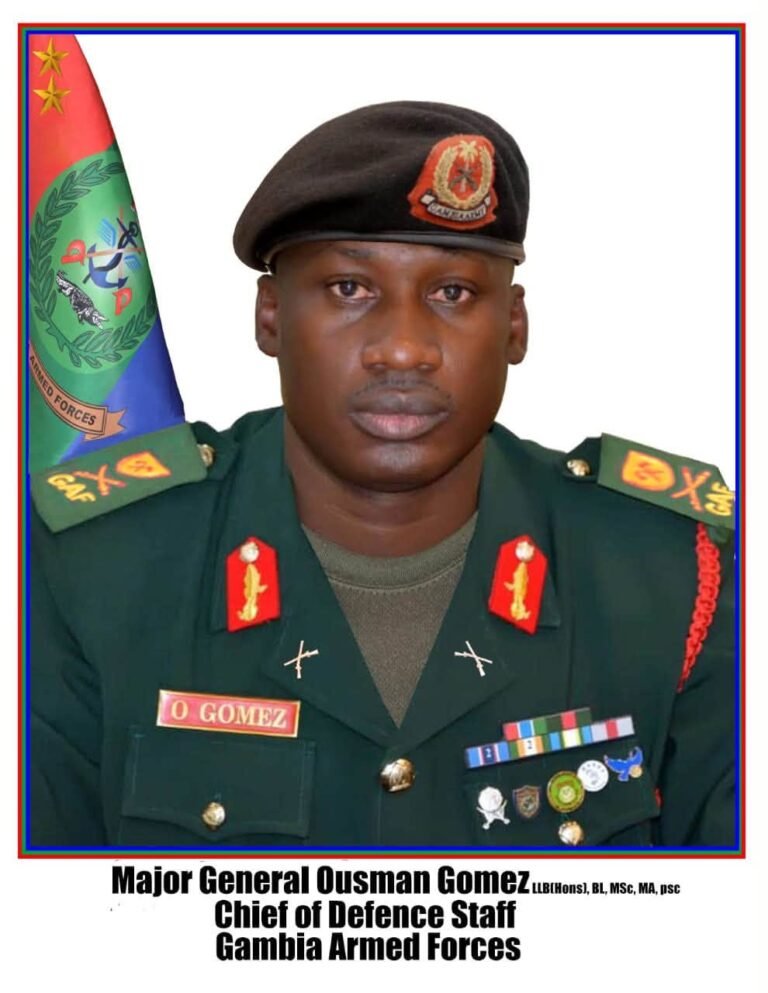
He specifically cited the Gambia Armed Forces, State Intelligence Services, Gambia Police Force and Immigration Department, saying they are headed and commanded by Gambians and operate within the country’s legal and institutional frameworks.
“The Gambia’s national security institutions remain Gambian-led, Gambian-commanded and subject to Gambian authority and laws,” Ceesay said.
Ceesay stressed that the presence of ECOMIG personnel does not amount to a surrender of national security authority.
“The presence of ECOMIG personnel should therefore not be confused with the transfer or surrender of national security authority,” he said.
According to the Minister, ECOMIG’s role is based on “partnership, cooperation and complementarity”, rather than replacing Gambian security institutions.
He argued that the security challenges facing countries today increasingly require regional cooperation because threats such as terrorism, organised crime, human trafficking and drug trafficking can cross national borders.
“In today’s interconnected world, security threats do not respect national borders,” Ceesay said, adding that cooperation with ECOWAS partners strengthens The Gambia’s ability to confront such threats while preserving national sovereignty and decision-making.
To reinforce his argument, Ceesay pointed to international examples involving the continued presence of foreign forces in sovereign countries.
He cited NATO forces stationed in Germany, arguing that their presence does not mean Germany has ceased to be a sovereign state or lost control over its national security policies.
He similarly pointed to the presence of American forces in Japan, saying this does not mean the United States controls Japan’s national security.
“Japan remains a sovereign country with its own government, laws and security institutions,” he wrote.
“The same principle applies to The Gambia.”
Ceesay said the country should be able to discuss the future of ECOMIG and regional security cooperation openly, but insisted that such discussions should be based on facts rather than claims that cooperation amounts to foreign control.
“ECOMIG is a security partner, not a substitute for Gambian security institutions,” the Minister said.
He added that ECOMIG does not determine The Gambia’s national security policy and that its presence does not diminish Gambian sovereignty.
Ceesay acknowledged that there are legitimate questions surrounding regional security cooperation and the future role of ECOMIG.
“We should therefore have a mature, factual and responsible debate about the role and future of ECOMIG,” he said.
“Legitimate questions about regional security cooperation are welcome, but they should not be built on the false premise that cooperation equals control.”
The Minister concluded his statement with a firm assertion of national sovereignty: “The Gambia’s national security remains firmly in Gambian hands.”