Breaking News


Popular News
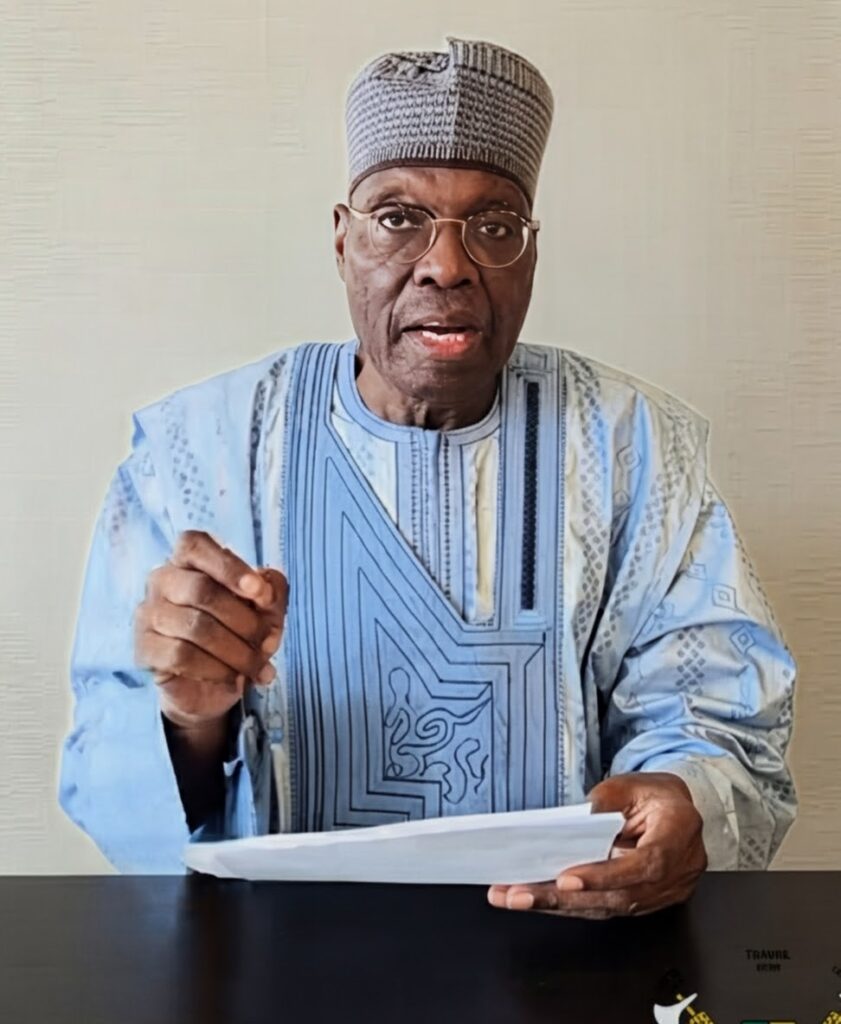


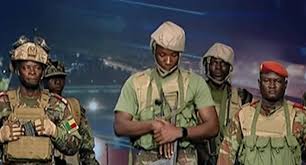

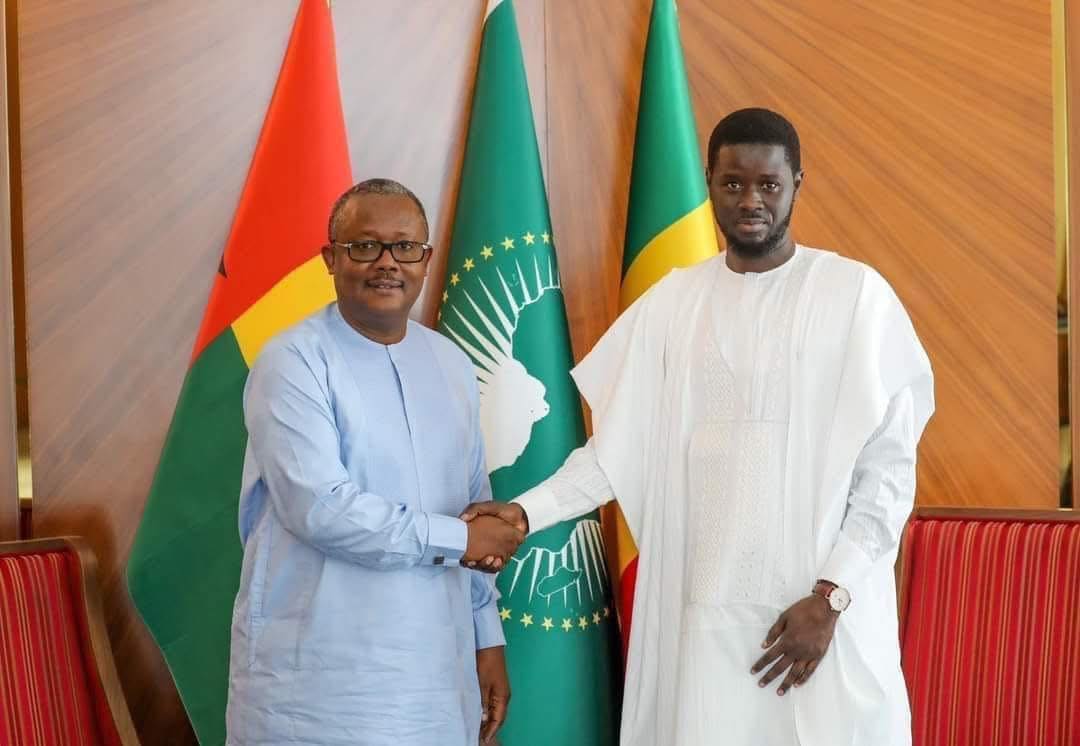
What unfolded in Guinea-Bissau this week is nothing short of a political spectacle, one that raises more questions than answers about the credibility and intentions of President Umaro Sissoco Embaló and the military now claiming authority.
On state media, the armed forces announced they had taken control and had already selected a new leader. Instead of contesting this shift from within the country’s institutions, Embaló declared a military takeover himself and swiftly fled first to Senegal. That sequence alone is unusual: a sitting president legitimising the actions of the very forces removing him, then exiting the country without resistance.
The speed of events, the lack of internal pushback, and the coordinated messaging suggest this was not an unexpected overthrow, but a choreographed transition, one that may have been shaped, if not initiated, from within the presidency. By announcing a takeover and immediately positioning himself outside the country, Embaló appears to be managing the narrative while distancing himself from responsibility for what follows.
Such maneuvers undermine transparency and weaken public trust at a time when Guinea-Bissau needs stability rooted in constitutional order, not political tactics. If this was indeed an arranged handover disguised as military action, the citizens deserve to know who engineered it, who benefits, and what it means for democratic governance.
The military’s quick appointment of a leader, Embaló’s coordinated exit, and the absence of institutional resistance all point to a troubling conclusion: the people were not participants in this transition; they were bystanders.
Guinea-Bissau cannot build a future on backstage deals and managed crises. Only full disclosure, accountability, and a return to constitutional processes can restore confidence in the state and protect the will of its citizens.