Breaking News

By Pa Modou Cham
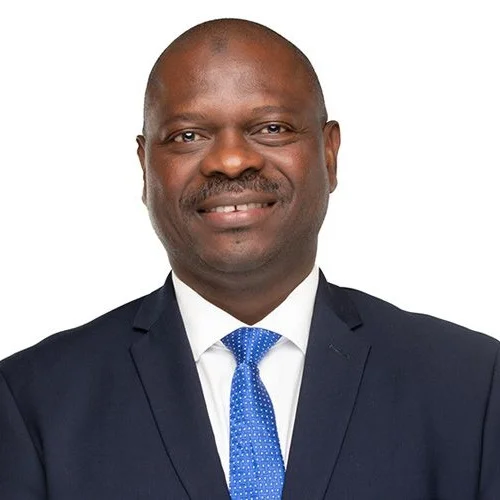
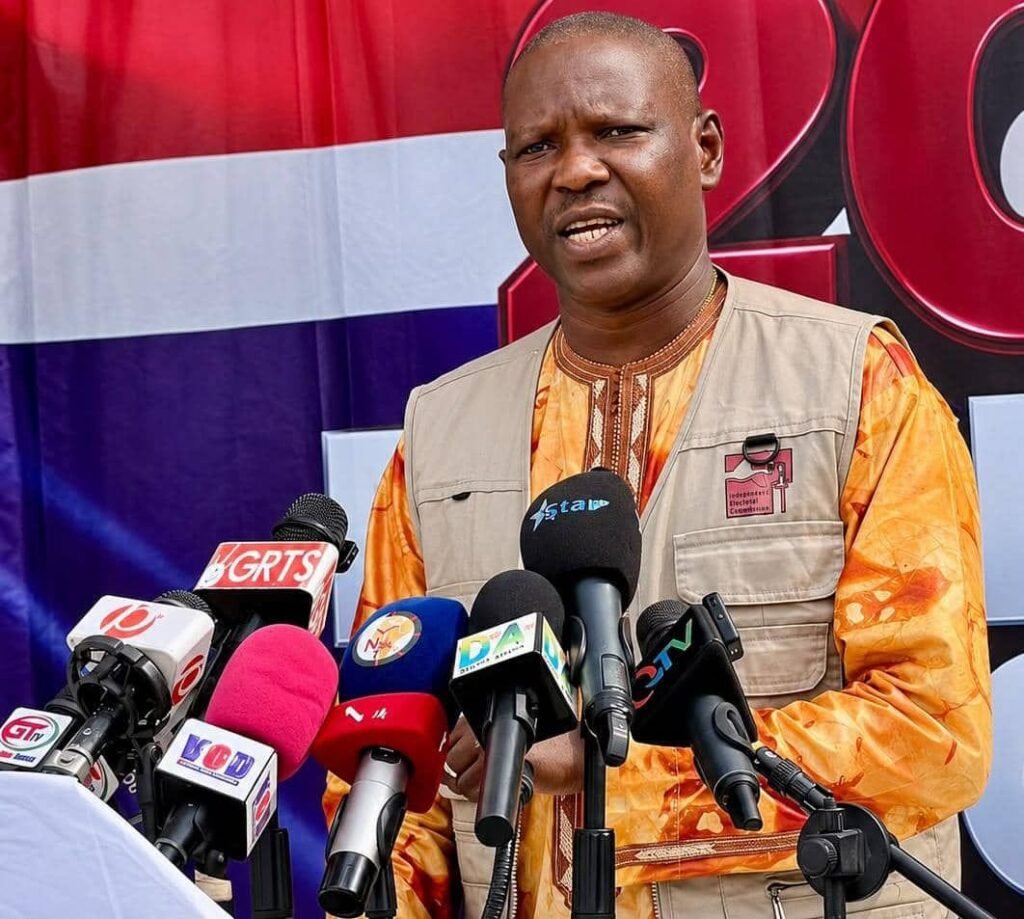
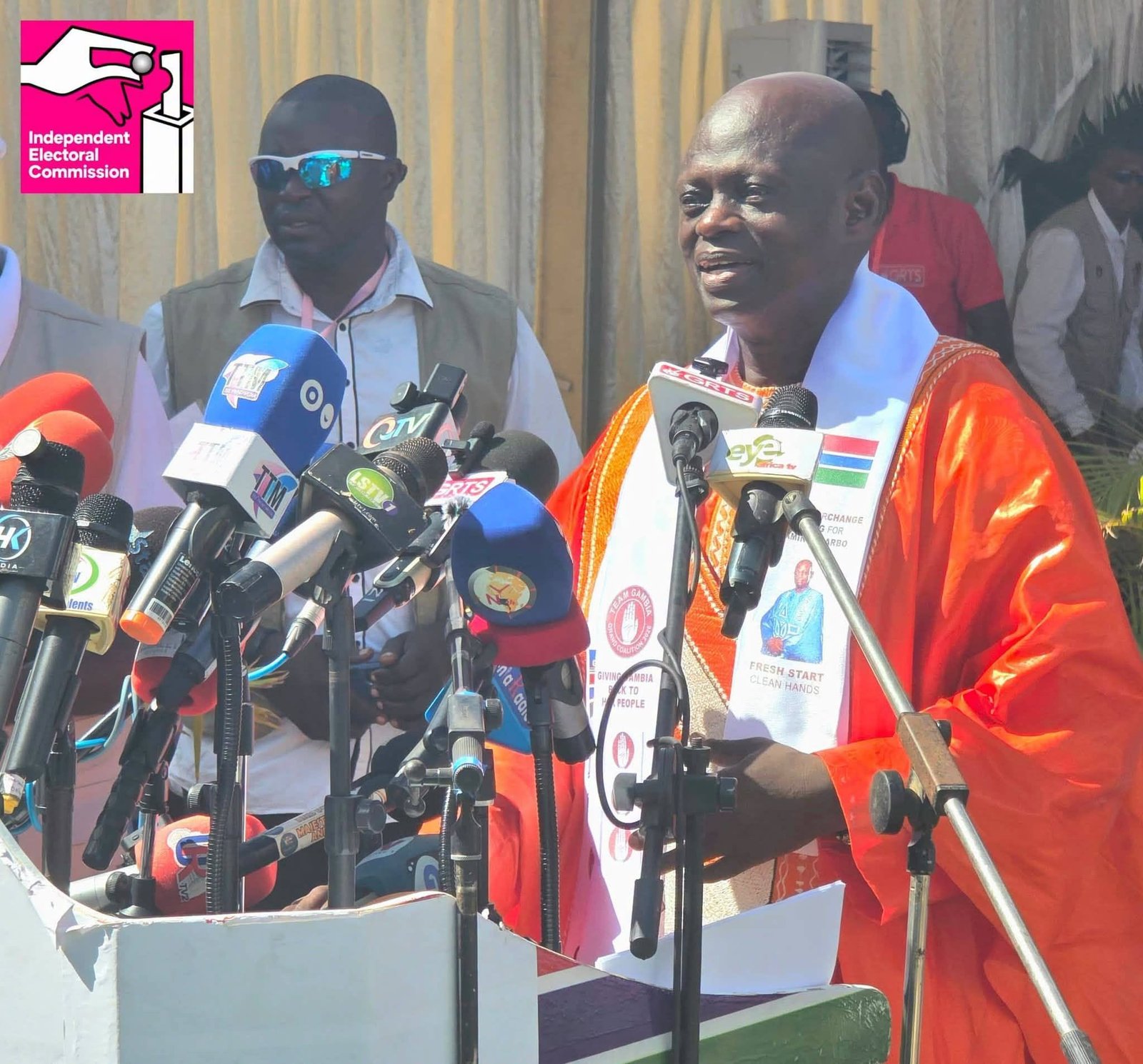
Private legal practitioner Lamin J. Darbo has submitted his nomination papers to the Independent Electoral Commission (IEC) under the Team Gambia coalition, as preparations continue for the December 2026 presidential election.
Speaking to journalists after the submission, Darbo reaffirmed his commitment to the coalition, making clear that Team Gambia is the only political alliance under which he is contesting the presidency.
Asked why Gambians should trust him over other presidential candidates, Darboe pointed to his record and public engagement over the past 11 years, since returning to The Gambia to reside full-time in January 2015.
He said voters had had sufficient opportunity to observe his activities and understand his positions through his contributions to public discourse.
Outlining his priorities if elected president, Darboe placed good governance at the top of his agenda, emphasising the need for transparency, accountability and strict adherence to the rule of law.
“Governance, governance and governance. Good governance, I mean. That would be the priority,” he said.
He argued that without a governance system anchored in the law and transparency, efforts to address the country’s development challenges would remain limited.
On Female Genital Mutilation (FGM), Darbo acknowledged that he had not previously articulated a clear position on the issue. He said such matters would be addressed in the context of governance and the responsibilities of government.
Regarding the Truth, Reconciliation and Reparations Commission (TRRC) recommendations for prosecutions over human rights violations committed under the former regime, Darbo said any decision to prosecute must be based on evidence capable of withstanding scrutiny in court.
He described the TRRC process as accusatory and stressed the importance of establishing whether sufficient admissible evidence exists to prosecute those implicated in atrocities committed between 1994 and January 2017.
Darbo also described himself as committed to progressive ideals, citing his writings and experiences studying and living in the United States and the United Kingdom.
He said his understanding of the two countries’ histories and societies had influenced his views on the kind of progressive development he would like to see in The Gambia.