Breaking News

By Pa Modou Cham
Former Kanifing Municipal Council Mayor Talib Ahmed Bensouda has today submitted his nomination papers to the Independent Electoral Commission (IEC), formally taking a step towards contesting The Gambia’s December 2026 Presidential Election.
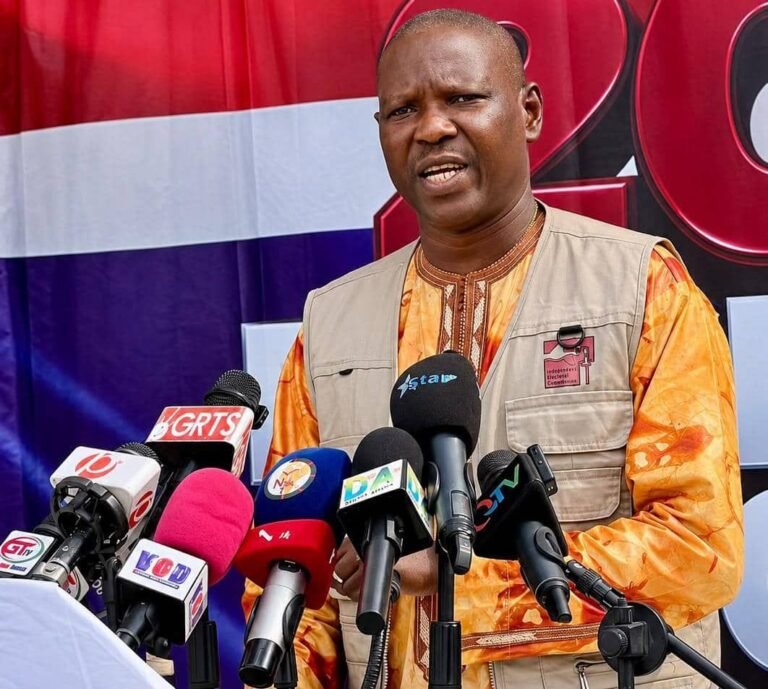
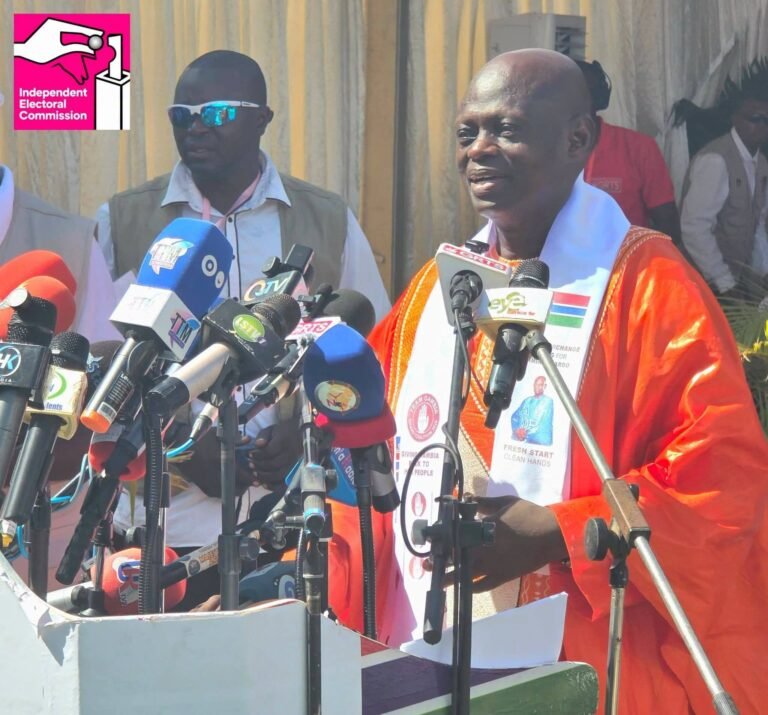
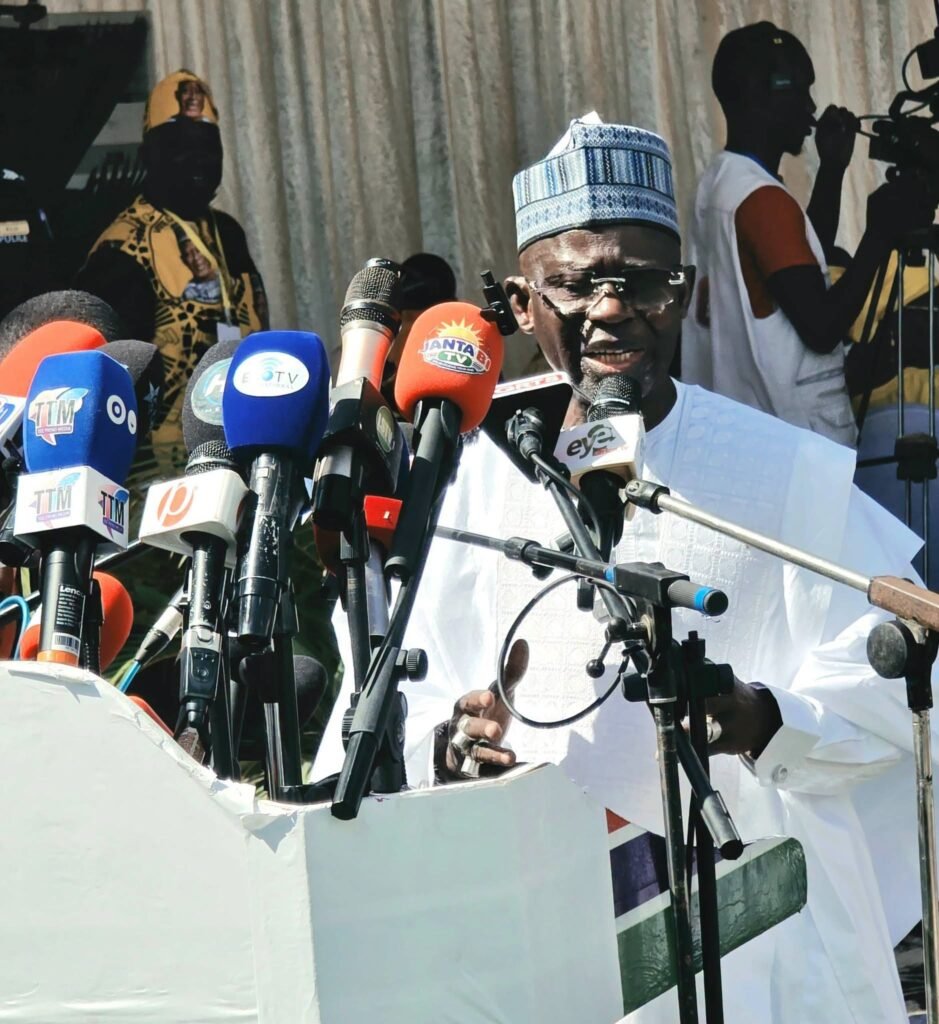
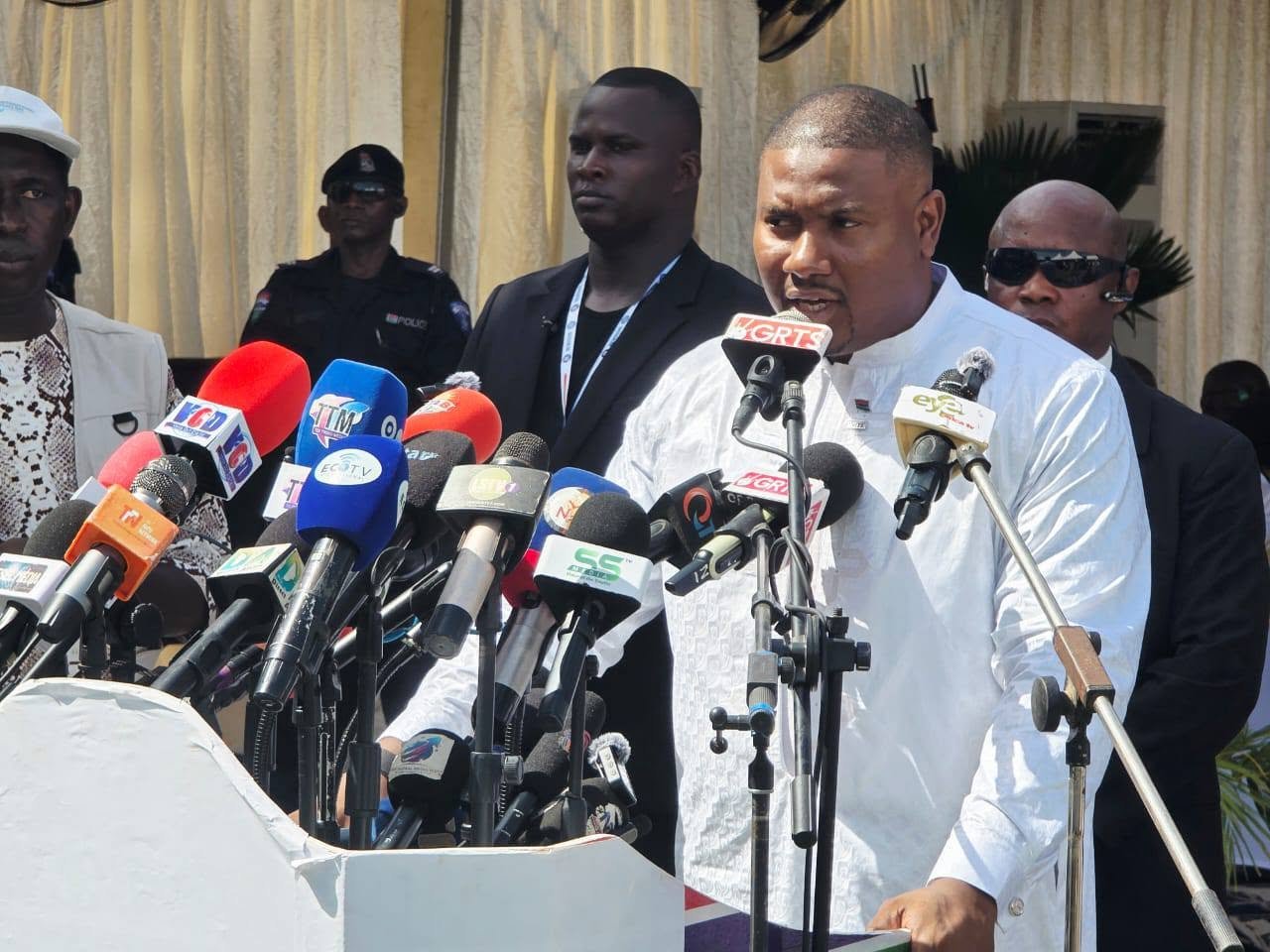
Speaking to journalists shortly after submitting his documents, Bensouda expressed confidence in the electoral process, calling on the IEC to safeguard the democratic principles upon which the country was founded.
He said the principles of peace, progress, prosperity and justice should guide the electoral process, expressing optimism that the December polls would be peaceful.
“To all Gambians, those hurting at home, those suffering from poverty, rest assured that I, Talib Ahmed Bensouda, will be your soldier in the front line to lift you from the darkness and into prosperity,” he said.
Addressing questions about the controversy surrounding the findings of the Local Government Commission of Inquiry and the potential implications for his presidential ambition, Bensouda maintained that he had not been disqualified from contesting the election.
“My candidacy is not affected at all by the government White Paper. I am in no way disqualified and, inshallah, the IEC will do the needful and I will be on the ballot,” he stated.
He insisted that there was no legal basis to prevent him from contesting, expressing confidence that the country’s democratic and legal institutions would uphold his eligibility.
On the question of accountability and the implementation of recommendations arising from the various commissions of inquiry, Bensouda proposed separating the Office of the Attorney General from the Ministry of Justice.
He argued that the Attorney General should not be a political affiliate but an independent officeholder responsible for ensuring the administration of justice.
“Our party will ensure that the Attorney General is separated from the Ministry of Justice. The Attorney General will not be a political affiliate, and it will be his job to implement justice without fail,” he said.
Bensouda also defended his record at the Kanifing Municipal Council, where his administration has come under scrutiny following findings of the Local Government Commission of Inquiry, some of which have been challenged on appeal.
Responding to concerns about how he would address accountability and transparency at the national level, he argued that the issues identified were primarily structural weaknesses within the local government system rather than evidence of personal misconduct.
According to him, the challenges require legislative reforms at the national level, particularly amendments to strengthen decentralisation and improve the effectiveness of local governance.
“The only findings are structural problems at the local government level that can only be changed at the national level through legislative processes. There is no personal liability or misconduct on my side,” he said.
Presenting his policy direction, Bensouda said his party had developed a 66-point agenda aimed at transforming the country, with ending poverty within ten years identified as its central objective.
He maintained that all 66 proposals were attainable within The Gambia’s national context, although he did not elaborate in detail on the specific implementation strategies during the press engagement.
On whether he would personally oversee the implementation of recommendations from the commissions of inquiry if elected president, Bensouda reiterated that the responsibility should rest with an independent Attorney General.
His submission of nomination papers comes as preparations continue for the December 2026 presidential election, with attention also focused on the IEC’s assessment of candidates’ eligibility and compliance with the requirements for nomination.
The IEC is expected to determine the status of candidates following the examination of their submitted documents.