





Renewed Xenophobic Attacks Raise Alarm in South Africa
Share your love
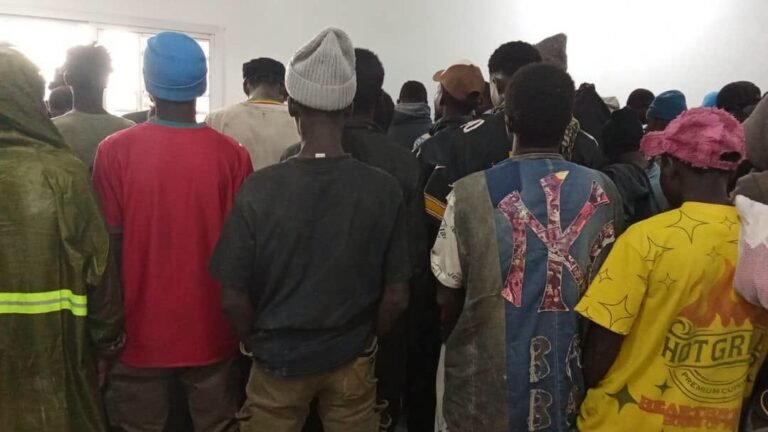
A growing wave of violence targeting foreign nationals in South Africa has sparked concern across the region, with reports indicating that migrants are increasingly facing intimidation, harassment, and physical attacks in recent days.
According to recent reports, xenophobic incidents have escalated ahead of planned nationwide protests calling for the removal of foreigners. Advocacy groups warn that such tensions have historically led to “serious injuries… and even loss of life,” with signs that violence is already intensifying on the ground.
In several communities, foreign-owned businesses and homes have reportedly been targeted, reflecting a pattern of hostility driven by accusations that migrants are responsible for crime, unemployment, and pressure on public services. Analysts say these claims are often exaggerated but continue to fuel anger among some locals.
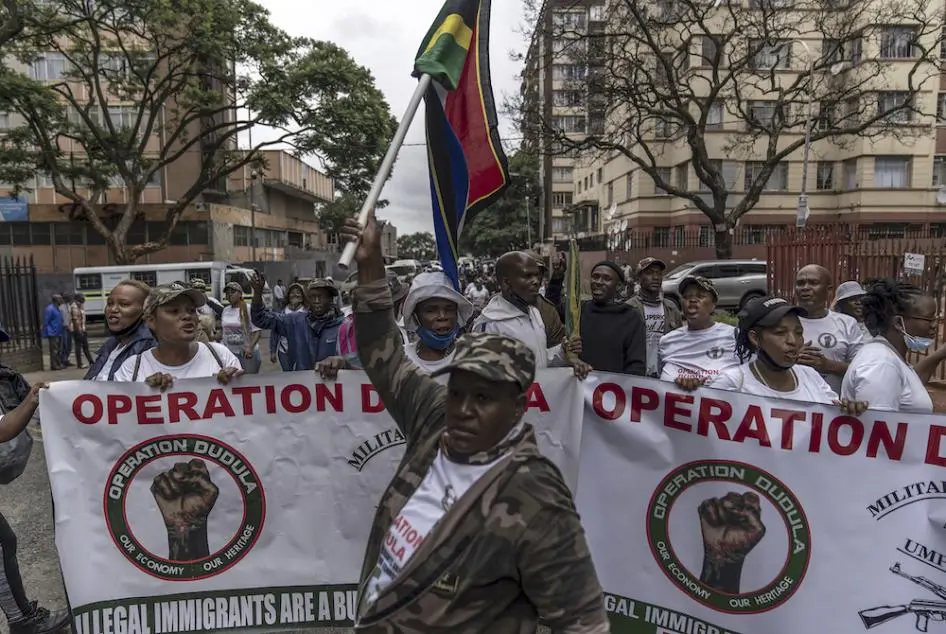
Human rights organisations have also raised concerns about vigilante groups, including movements like Operation Dudula, which have been accused of harassing migrants and blocking their access to healthcare and education. Despite legal challenges, such groups continue to operate in parts of the country, contributing to a climate of fear among foreign communities.
A fresh wave of attacks reported this week highlights the persistence of the crisis, with foreign nationals facing targeted violence and growing hostility in multiple areas.
South Africa has long struggled with xenophobia, rooted in deep socio-economic inequalities, high unemployment, and public frustration over service delivery. Surveys indicate widespread mistrust of immigrants, further worsening tensions and increasing the risk of violence if the situation is not addressed.
Authorities have previously pledged to protect migrants and prosecute perpetrators, but critics argue that enforcement remains weak, allowing recurring cycles of violence to continue.
As tensions rise once again, regional observers warn that urgent intervention is needed to prevent further escalation and protect vulnerable foreign communities.