



Lomé hosts 3rd Biashara Afrika Forum as leaders champion AfCFTA-driven continental transformation
Share your love
By Pa Modou Cham
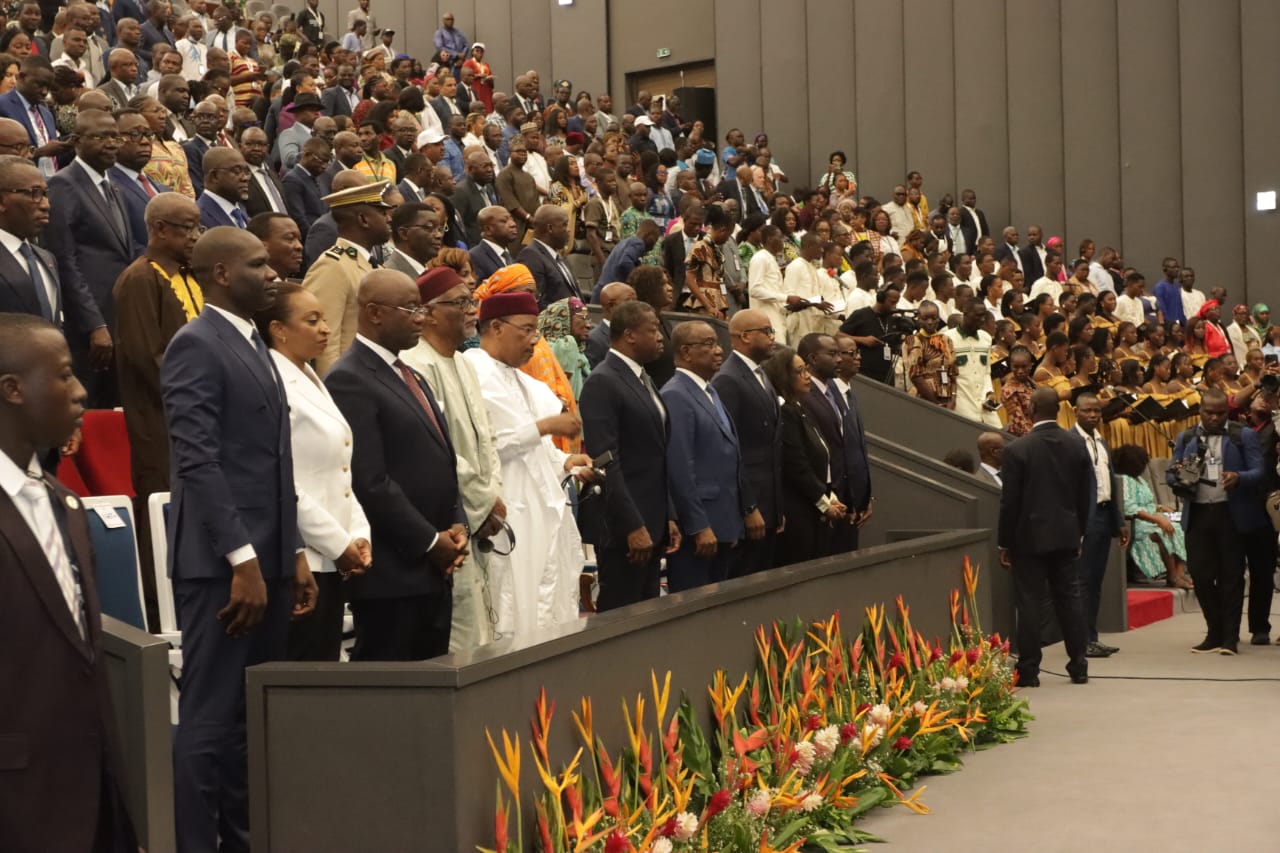
LOMÉ, Togo — May 18 – African heads of institutions, ministers, and private sector leaders on Monday reaffirmed their commitment to accelerating the African Continental Free Trade Area (AfCFTA) as a driver of industrialisation, intra-African trade, and economic sovereignty during the opening of the 3rd edition of the Biashara Afrika Forum in Lomé.
Opening the high-level gathering, President of the Council of Ministers of Togo, H.E. Faure Essozimna Gnassingbé, said Africa had reached a decisive moment in its economic history, where the focus must shift from negotiation to implementation of the AfCFTA.
He stressed that the success of the continental free trade area would depend on turning political ambition into tangible economic results, warning that Africa’s integration would not be achieved through agreements alone but through functional trade systems, efficient borders, and productive value chains.
“The true test of the AfCFTA will be whether African businesses can genuinely experience the benefits of integration in their daily commercial activities,” he said, calling for practical solutions to persistent barriers such as high logistics costs, non-tariff barriers, and border inefficiencies.
He added that Africa must strengthen regional value chains, expand industrial capacity, and ensure that integration benefits young people, women, farmers, and entrepreneurs across the continent, describing the AfCFTA as a project of continental economic sovereignty.
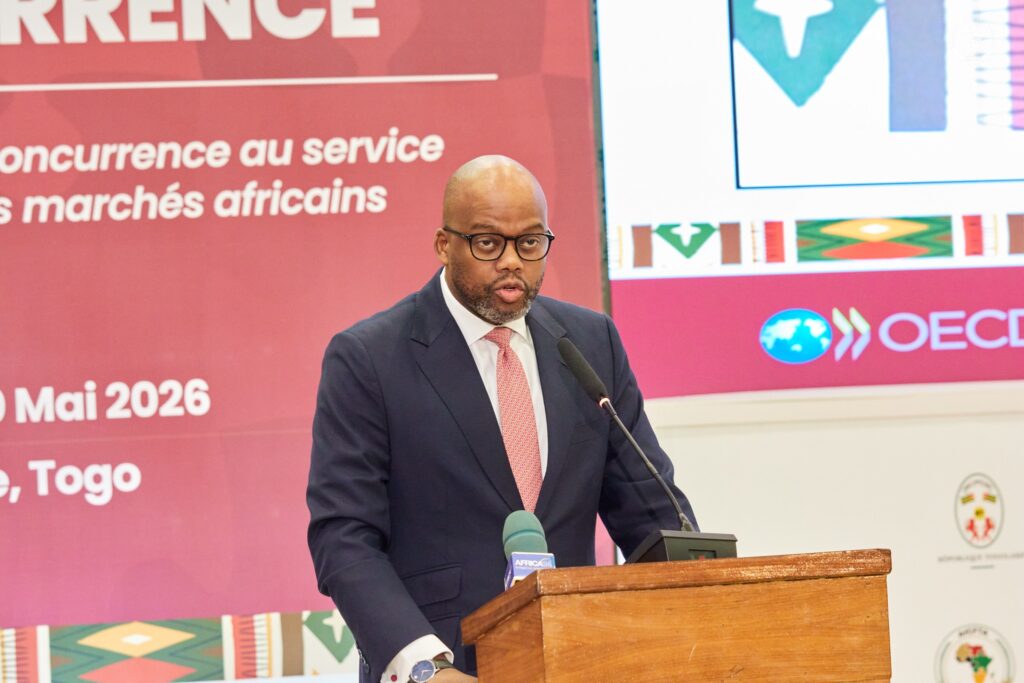
The forum brought together senior officials including Nigeria’s Minister of Industry, Trade and Investment and incoming Chair of the AfCFTA Council of Ministers, Dr. Jumoke Oduwole; AfCFTA Secretary-General Wamkele Mene; Togo’s Minister of Economy and Strategic Monitoring, Badanam Patoki; as well as representatives of the African Development Bank, international organisations, and business leaders from across Africa and beyond.
In her intervention, Dr. Jumoke Oduwole underscored the urgency of deepening intra-African trade, saying Africa’s economic future must be built “by Africans, for Africa.”
She emphasized that the continent’s transformation depends on stronger regional value chains, industrial competitiveness, and the removal of structural barriers that limit cross-border trade, including logistics constraints, access to finance, and mobility restrictions.
“Africa cannot continue to trade at the margins of the global economy while neglecting trade within its own borders,” she said, calling for coordinated political commitment and stronger public-private partnerships to unlock the full potential of the AfCFTA.
She also highlighted persistent challenges affecting investor confidence and mobility across the continent, warning that such barriers undermine efforts to build trust and expand investment opportunities.
AfCFTA Secretary-General Wamkele Mene provided a detailed update on the progress of the continental free trade area, describing it as an agreement that is steadily transitioning from vision to operational reality.
He noted that 50 African states have ratified the AfCFTA Agreement, with 26 already trading under its preferential rules. According to him, intra-African trade reached approximately US$220 billion in 2024, marking a 12.5 percent increase from the previous year, and is projected to rise to US$230 billion by 2027.
Mene highlighted key implementation tools already in place, including the Pan-African Payment and Settlement System (PAPSS), electronic tariff systems, non-tariff barrier reporting mechanisms, and emerging efforts to digitise certificates of origin.
He said these instruments are reducing transaction costs and strengthening the foundations of a single continental market, while also noting progress in negotiations on rules of origin in strategic sectors such as automotive manufacturing.
Despite the progress, he acknowledged persistent structural challenges, including infrastructure deficits, high transport costs, and limited access to trade finance, particularly for small and medium-sized enterprises. He stressed that the success of the AfCFTA would depend on sustained political will, private sector engagement, and coordinated investment in infrastructure and industrial capacity.
“Without the private sector as a co-driver, the success of the AfCFTA will be constrained,” he said, urging governments to create enabling environments for trade and investment.
Togo’s Minister of Economy and Strategic Monitoring, Badanam Patoki, in his welcome remarks, positioned the Biashara Afrika Forum as a platform for dialogue between governments, the private sector, and international stakeholders aimed at accelerating intra-African trade.
He described the AfCFTA as a tool to stimulate industrial development, strengthen competitiveness, and expand Africa’s participation in global value chains. He also highlighted Togo’s ambition to position itself as a regional trade and logistics hub through investment in infrastructure, industrial zones, and business facilitation reforms.
Patoki encouraged participants to take advantage of the forum to forge investment partnerships and deepen collaboration across sectors, while also promoting tourism and cultural exchange in Togo.
Across the interventions, a common message emerged: Africa’s integration agenda has entered a decisive implementation phase, requiring concrete action rather than policy declarations.
Speakers repeatedly pointed to the AfCFTA as the continent’s most ambitious economic project, with the potential to reshape Africa’s position in global trade by expanding its internal market of more than 1.4 billion people and fostering industrialisation through regional value chains.
The forum also reflected growing consensus that Africa must reduce dependence on external markets by strengthening internal trade, enhancing production capacity, and investing in infrastructure, logistics corridors, and digital trade systems.
As discussions continue, participants are expected to produce recommendations aimed at accelerating AfCFTA implementation and addressing persistent barriers to trade.
The Biashara Afrika Forum in Lomé comes at a time of rising global economic uncertainty, with speakers warning that protectionism, geopolitical tensions, and fragmented supply chains make Africa’s integration not only desirable but necessary.
If fully implemented, leaders said, the AfCFTA could become the foundation for a more resilient, industrialised, and economically sovereign Africa.