



Editorial: Africa at the Frontline of Climate Change
Share your love
Africa stands today at the frontline of the global climate crisis, confronting a reality it contributed the least to, yet suffers from the most. Across the continent, climate change is no longer a distant threat but a daily experience reshaping lives, economies, and the future of entire nations. From prolonged droughts in the Horn of Africa to deadly floods in West and Central Africa, the continent is witnessing some of the most severe environmental disruptions in its recorded history.
What makes Africa’s climate challenge particularly urgent is the intersection of environmental vulnerability with longstanding socio-economic pressures. Millions of people rely on rain-fed agriculture, making even the smallest shift in rainfall patterns catastrophic for food security. Pastoral communities are losing livestock at unprecedented rates. Coastal cities, from Dakar to Lagos, face accelerated sea-level rise, threatening homes, infrastructure, and livelihoods. The climate crisis is deepening poverty, displacing communities, and inflaming tensions over scarce resources.
Despite this, Africa continues to demonstrate extraordinary resilience and leadership. Young innovators are pioneering renewable energy solutions, governments are developing climate adaptation frameworks, and civil society, especially women and youth, is demanding accountability at local and global climate forums. The continent is rich in solar, wind, and hydro potential, positioning it to become a global champion for clean and sustainable energy.
But Africa cannot and should not bear this burden alone. The principle of climate justice must move from rhetoric to reality. Wealthy nations, responsible for the vast majority of historical emissions, must meet their financial commitments for adaptation, mitigation, and loss-and-damage support. Africa’s vulnerabilities are global responsibilities, and continued inaction by industrialized countries is an ethical failure that cannot be ignored.
At the same time, African leaders must prioritize climate governance at home. This includes investing in resilience infrastructure, enforcing environmental protections, supporting local farmers with climate-smart technologies, and integrating climate risk into national development plans. Political commitment must translate into concrete action, free from corruption and driven by long-term vision, not short-term politics.
The climate crisis is redefining Africa’s future, but it does not have to dictate its downfall. With bold leadership, genuine international cooperation, and sustained investment in adaptation and green growth, the continent can transform its vulnerabilities into power. Africa has the potential not only to survive the climate emergency but to lead the world toward a more sustainable and equitable future.
The moment for decisive action is now. Climate change is no longer tomorrow’s story, it is today’s headline.
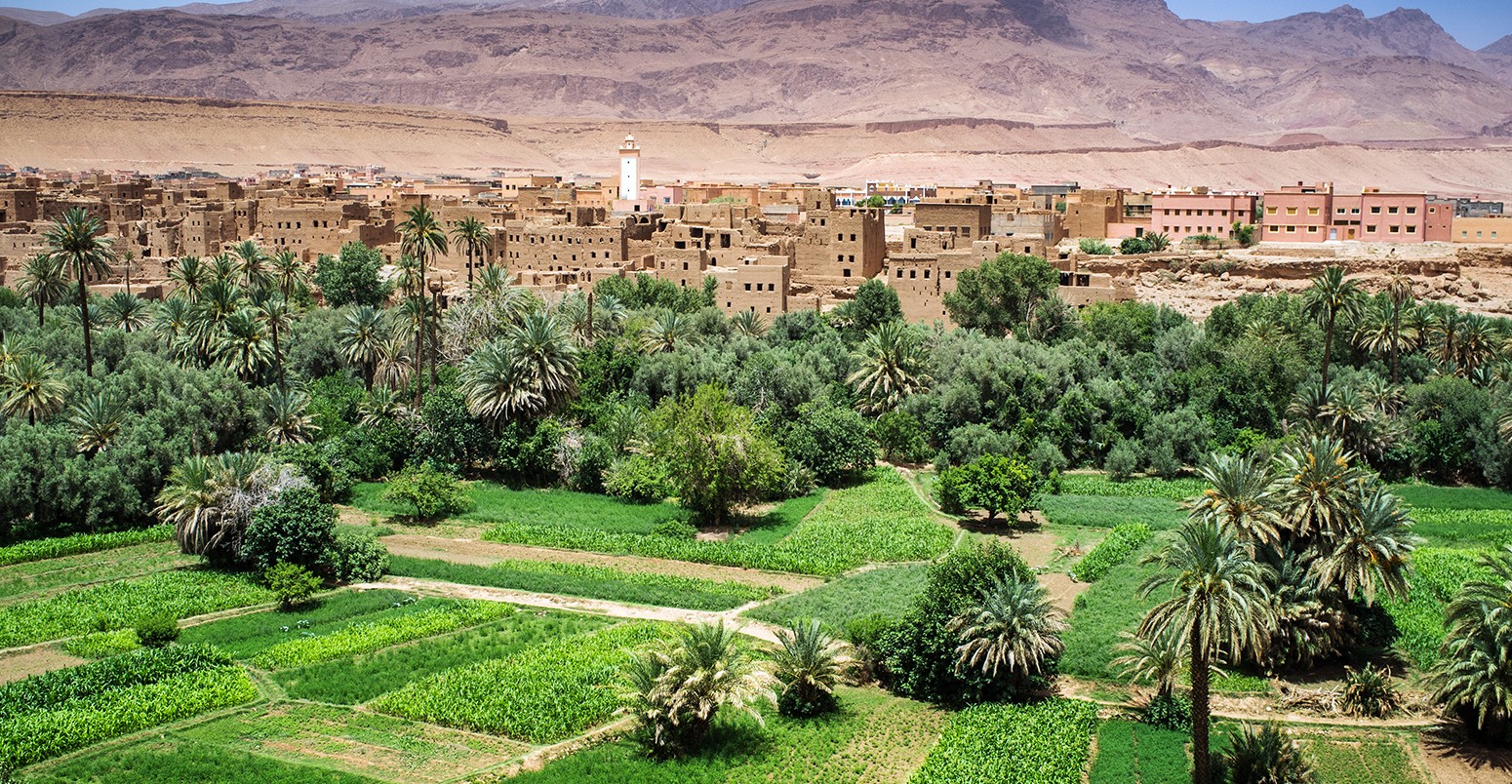
Photo Credit: Carbon Brief