





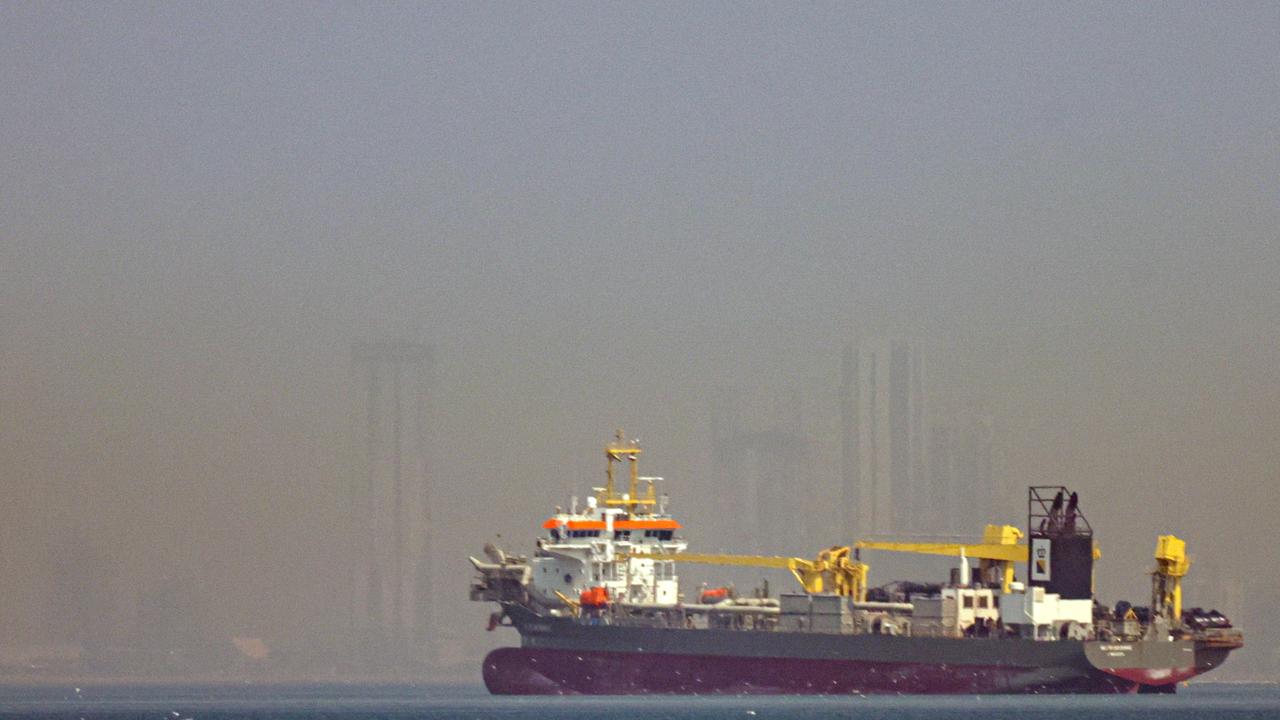
Global Economy Under Strain as U.S.–Israel War with Iran Drives Oil Prices and Inflation Surge
Share your love
The ongoing war involving the United States, Israel, and Iran is triggering a growing global economic crisis, with rising fuel prices, disrupted trade routes, and increasing pressure on vulnerable economies, including those across Africa.
Global oil markets have been among the hardest hit, as tensions around the Strait of Hormuz—one of the world’s most critical oil transit routes, continue to drive uncertainty. Analysts warn that any sustained disruption in the area could significantly reduce global oil supply, pushing prices even higher and affecting both developed and developing economies.
Several reports indicate that energy infrastructure in the Gulf region has come under direct threat, including attacks on oil facilities in Kuwait. These developments have heightened fears of prolonged instability in global energy markets, with ripple effects on transportation, electricity production, and industrial output worldwide.
The economic strain is already being felt through rising inflation, as higher fuel and shipping costs translate into increased prices for goods and services. Supply chains, which are still recovering from previous global disruptions, are once again under pressure, with delays and increased costs affecting international trade flows.
For many African countries, the crisis presents a particularly difficult challenge. Nations that rely heavily on imported fuel are facing increased expenditure, putting additional strain on national budgets and foreign exchange reserves. This is expected to impact essential sectors such as food production, transportation, and public services.
Economists warn that the situation could worsen food insecurity in parts of the continent, as higher transportation and production costs lead to increased food prices. Countries already grappling with economic vulnerabilities may face deeper fiscal deficits and slower economic growth.
Meanwhile, global financial markets have shown signs of instability, with investors reacting to uncertainty surrounding the duration and scale of the conflict. Currency fluctuations and declining investor confidence could further complicate recovery efforts in many regions.
There are also concerns about the broader geopolitical implications of the crisis, as prolonged conflict risks reshaping global trade alliances and economic partnerships. Experts caution that if the war continues to escalate, it could lead to a more sustained period of economic slowdown on a global scale.
The conflict, which began in late February 2026, continues to evolve, with no clear resolution in sight. As military operations persist, the economic consequences are expected to deepen, affecting livelihoods and development prospects far beyond the immediate war zone.