Breaking News

The 87th Ordinary Session of the African Commission on Human and Peoples’ Rights officially concluded on Tuesday in Banjul after days of deliberations on the state of human rights across Africa under the theme “Human Rights: Our Collective Responsibility.”
The high-level gathering brought together African commissioners, diplomats, government officials, civil society actors and international stakeholders to examine both the progress and persistent challenges affecting human rights protection on the continent.
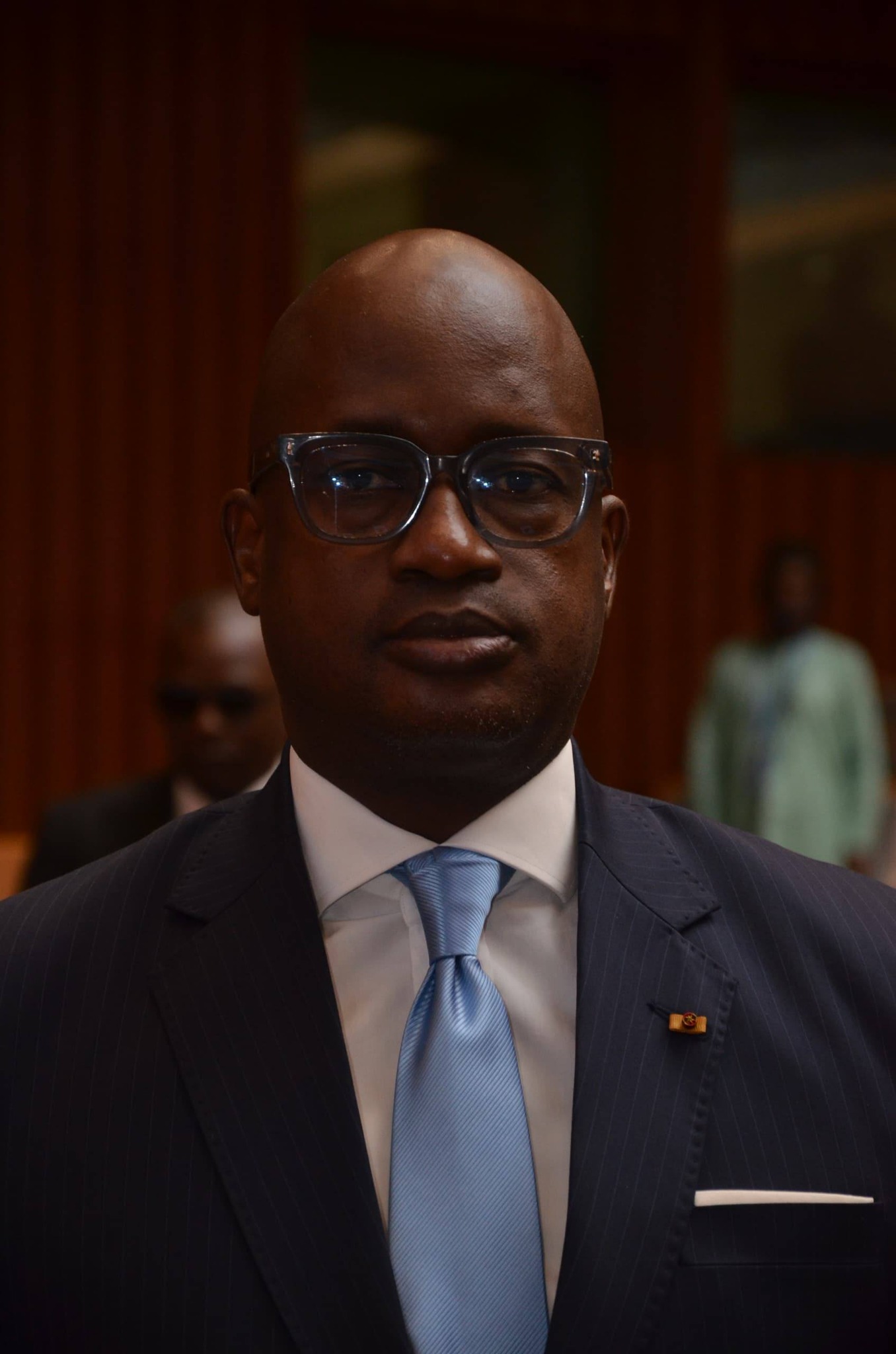
Among the dignitaries attending the closing session was Luís Camara de Barros, Ambassador of Guinea-Bissau to The Gambia and Dean of the Diplomatic Corps, whose presence was viewed as a symbol of continued diplomatic support and regional cooperation around Africa’s human rights agenda.
The ceremony opened with the national anthems of The Gambia and the African Union, followed by introductory remarks from the Executive Secretary of the Commission, Ms. Abiola Idowu-Ojo.
Delegates were also presented with a retrospective video highlighting key moments and discussions from the session, which addressed a wide range of human rights concerns facing African states.
A major highlight of the closing ceremony was the presentation of the Final Communiqué by Commissioner Ourveena Topsy-Sonoo, outlining the principal resolutions, recommendations and decisions adopted during the session.
The President of the Commission, Commissioner Idrissa Sow, reaffirmed the institution’s commitment to monitoring and safeguarding the rights of African peoples, stressing the importance of stronger accountability mechanisms and sustained cooperation among member states.
The official closing remarks were delivered by a representative of Dawda A. Jallow, Attorney General and Minister of Justice of The Gambia, who emphasized the critical role of collective state action in strengthening justice, peace and social cohesion across the continent.
Shortly after the plenary session ended, the leadership of the Commission held a press conference with journalists to explain the practical implications of the resolutions adopted and discuss the future direction of human rights protection in Africa.
The conclusion of the session comes at a time when many African countries continue to face growing scrutiny over issues including civic freedoms, governance, conflict, migration, gender rights and the protection of vulnerable communities.
Participants say the outcomes of the Banjul session will likely shape future continental discussions on accountability, democratic governance and the enforcement of regional human rights standards across Africa.