Breaking News




Popular News


By Pa Modou Cham
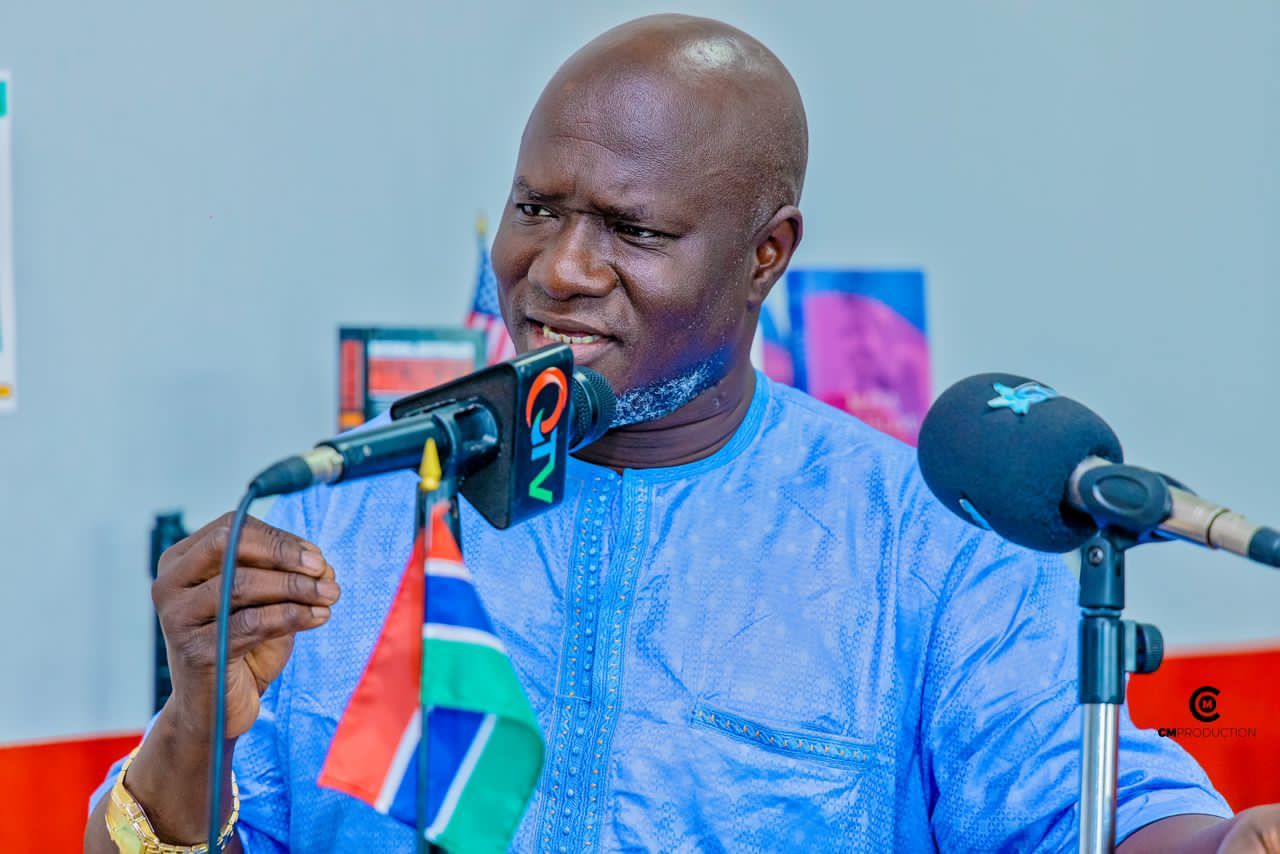
Prominent Gambian human rights activist Madi Jobarteh has launched a blistering attack on the government over its controversial claim that it created 163,000 jobs by the first quarter of 2026, describing the figure as unbelievable, unsupported, and bordering on political propaganda.
In a sharply worded statement, Jobarteh challenged the government, the Ministry of Finance, the Ministry of Employment, and the Gambia Bureau of Statistics (GBoS) to immediately publish the data and methodology behind what he called a “statistical mystery.”
“The numbers simply do not add up,” Jobarteh declared.
Citing findings from the 2025 Gambia Labour Force Survey, the activist noted that the country’s total labour force stands at about 675,470 people, with approximately 619,620 already employed. According to him, creating 163,000 jobs within months would amount to adding jobs equivalent to nearly a quarter of the entire national workforce — a feat even major global economies struggle to achieve.
“No economy creates jobs at that scale in such a short period without massive industrial expansion, huge foreign investments, or a dramatic economic transformation,” he argued. “None of these conditions currently exist in The Gambia.”
Jobarteh said if the government’s claim were true, the impact would already be visible nationwide through falling unemployment, improved living standards, and reduced irregular migration among frustrated youths. Instead, he said, Gambians continue to grapple with soaring unemployment, economic hardship, and growing desperation.
The activist also questioned why the Gambia Bureau of Statistics has not released any official 2026 labour force report validating the government’s figures.
“In the absence of any official report, dataset, or methodology, the claim remains unsupported and unverifiable,” he stated.
Jobarteh further argued that the figures become even more suspicious when compared to the actual size of the country’s formal workforce. He noted that the combined public and private formal sector workforce is estimated at just over 116,000 workers, while the entire government payroll is believed to employ fewer than 40,000 people.
“It beats imagination how the government could suddenly create 163,000 additional jobs within a few months,” he said.
The outspoken activist demanded a full breakdown of the alleged jobs, including which sectors generated them, whether they are permanent or temporary, formal or informal, and how many women and youths benefited.
He also took a swipe at the government’s newly established misinformation and disinformation response centre, saying authorities must uphold the same standards of transparency and factual accuracy they expect from the public.
“Employment figures are too important to be reduced to headline politics without evidence,” Jobarteh warned.
His comments come amid increasing public scrutiny over government economic data and rising concerns about unemployment and the cost of living in The Gambia.
The government is yet to officially respond to the challenge.