




“African Economic Integration Is No Longer an Option, It Is a Necessity”: AfCFTA Chief Hails Biashara Afrika 2026 Success
Share your love
By Pa Modou Cham
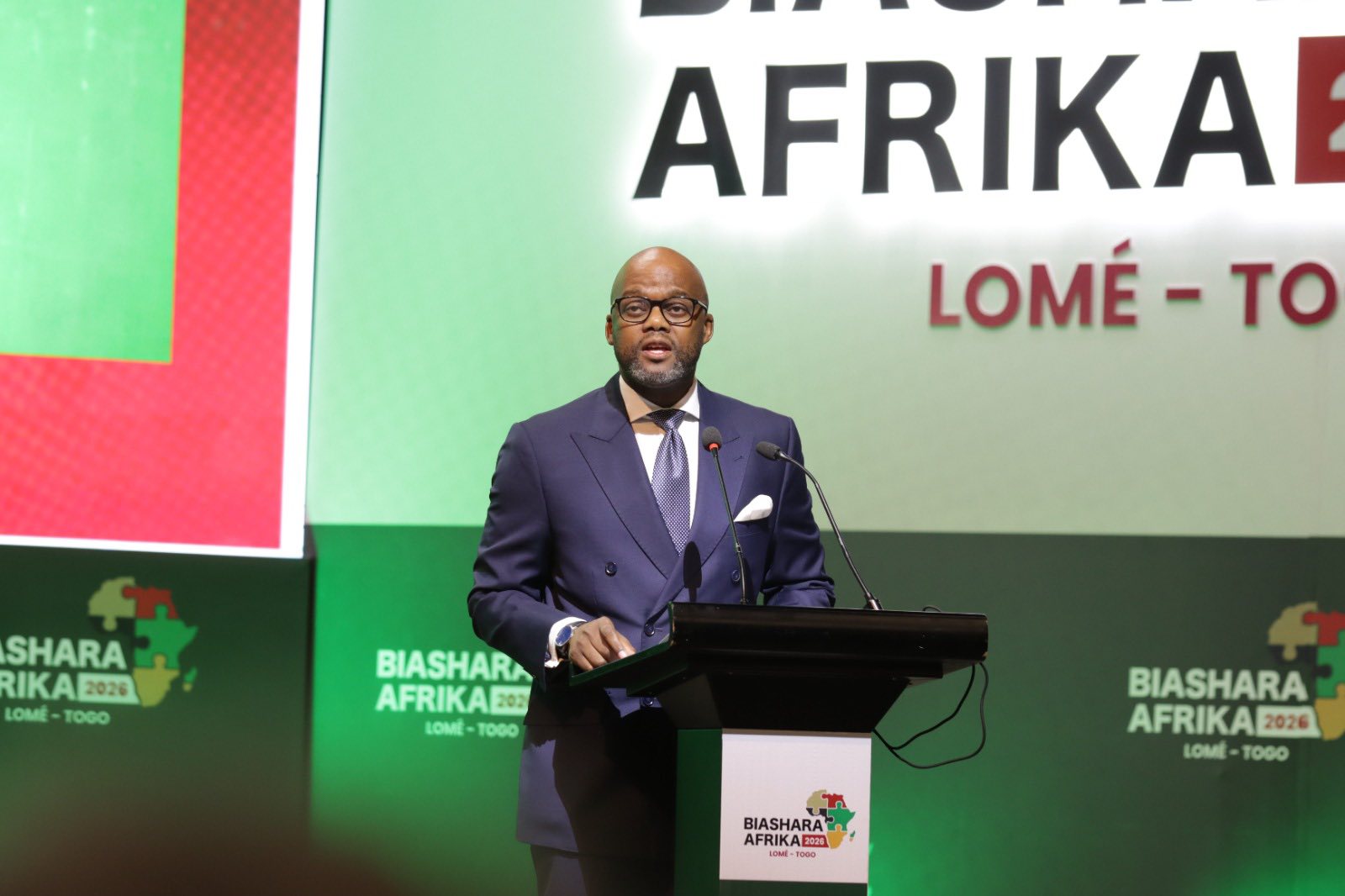
The third edition of the Biashara Afrika concluded in Lomé with renewed optimism over the future of intra-African trade, as African leaders, policymakers and business executives pushed for concrete implementation of the African Continental Free Trade Area (AfCFTA).
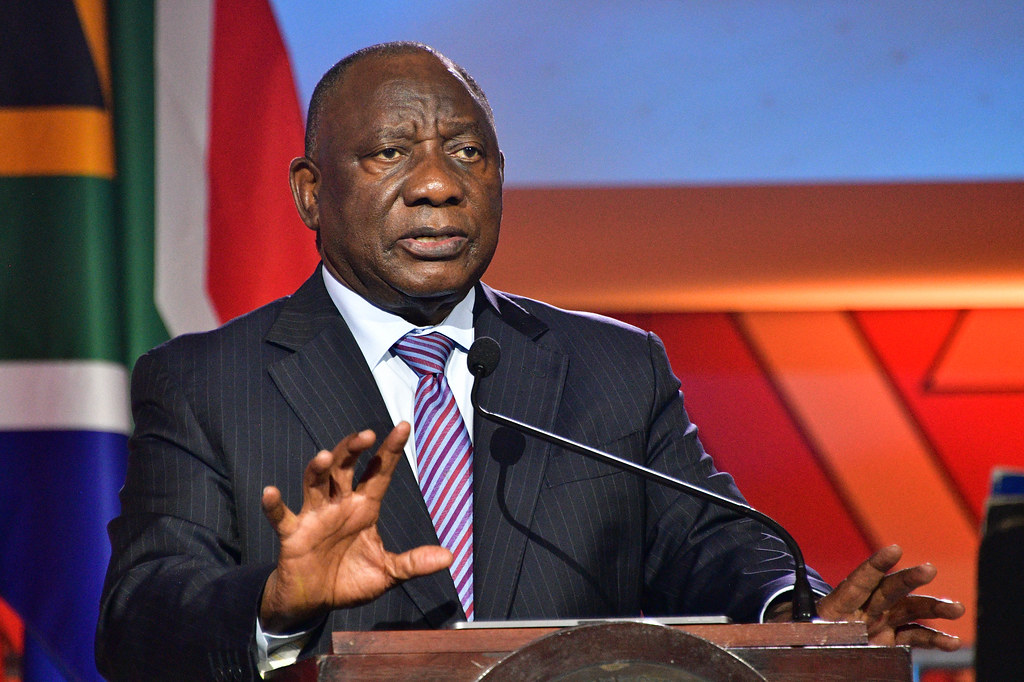
Speaking during a closing press conference on Thursday, AfCFTA Secretary-General Wamkele Mene described the forum as a “resounding success,” emphasizing that the continent was moving beyond discussions toward real economic integration and practical action.
“African economic integration is no longer an option; it is a necessity and it is now underway,” Mene declared, while praising the Government of Togo for hosting what he called one of the most impactful editions of the forum so far.
According to Mene, the conference recorded unprecedented participation, attracting more than 3,000 delegates from 48 countries, including government officials, investors, private sector leaders, development finance institutions and trade experts from across Africa and beyond.
He revealed that several Memoranda of Understanding (MoUs) were signed during the event with African and international corporations, private sector associations and financial institutions, all aimed at accelerating the implementation of the AfCFTA and unlocking opportunities within Africa’s 1.4 billion consumer market.
“We signed a number of MOUs with corporations, private sector formations and institutions that share the ambition of taking advantage of this market of 1.4 billion people,” he said.
The AfCFTA chief also praised the active engagement of the private sector, noting that business participation remains essential in transforming the AfCFTA from a political vision into a functioning continental market capable of driving industrialization, investment and job creation.
Mene further highlighted the participation of major institutions including the African Development Bank and Africa50, which he said demonstrated growing confidence in Africa’s integration agenda.
One of the conference’s most celebrated announcements came from the Togolese government, which introduced a visa-free policy for all African citizens visiting the country. Mene described the decision as a practical demonstration of the free movement principles repeatedly emphasized throughout the forum.
“This is precisely the spirit and the actions that we want to see,” he said, adding that free movement of people is critical to boosting trade, investment and regional integration across the continent.
Earlier, Togo’s Minister of Economy and Strategic Planning, Mr Badanam Pakoti, said the forum reflected a growing continental determination to turn Africa’s economic potential into tangible realities.
He noted that the three-day gathering featured over 700 speakers, 97 foreign exhibition stands, 15 thematic panels and four key agreements focused on strengthening intra-African trade and investment.
Pakoti said discussions during the forum identified major priorities needed to increase intra-African trade, which currently accounts for only about 15 percent of Africa’s total trade volume. These include developing regional value chains, strengthening logistics infrastructure, promoting digital trade systems and expanding African payment platforms.
“The time of speeches has passed. The time of vision must now become the time of action,” the minister stated.
As the curtains closed on Biashara Afrika 2026, participants left Lomé with a renewed sense of urgency and optimism that Africa’s long-envisioned single market is steadily becoming a reality under the AfCFTA framework.