Breaking News




Popular News



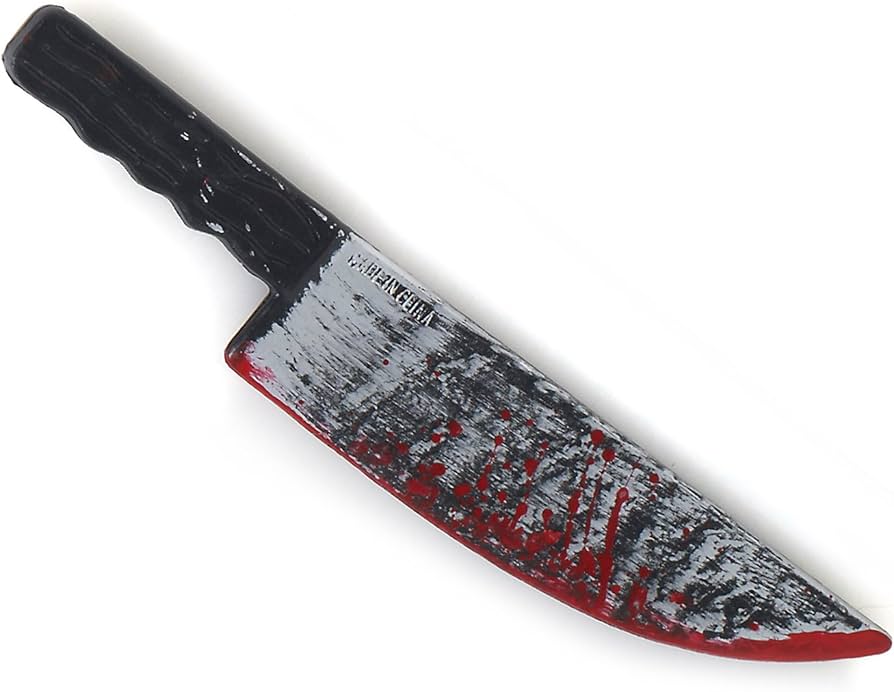
The recent surge in murder cases across The Gambia, particularly those involving knife stabbings, should alarm every citizen and demand urgent action from government, law enforcement agencies, communities and families alike. Almost every week, recently, reports emerge of another life cut short, not by armed robbery or organized crime, but by disputes that escalate into deadly violence.
These are not just statistics. They are sons, daughters, parents, friends and neighbours whose lives have been tragically lost, leaving families devastated and communities living in fear.
What is perhaps most disturbing is how seemingly minor disagreements are increasingly ending in bloodshed. Arguments over relationships, money, land, neighbourhood disputes or misunderstandings that would once have been settled through dialogue are now ending with violence being drawn. This points to a dangerous erosion of patience, tolerance and respect for the sanctity of human life.
The question we must ask ourselves is: What has changed?
Part of the answer lies in the growing culture of anger and impulsiveness. Too many people now resort to violence before seeking peaceful solutions. Social media has amplified hostility, while economic hardship, unemployment and the pressures of daily life have left many young people frustrated and vulnerable. None of these factors excuses murder, but they help explain why violence appears to be becoming more frequent.
Equally concerning is the easy accessibility of knives and other sharp objects that are increasingly being used as weapons rather than tools. While it is impossible to ban kitchen knives or work implements, authorities must examine whether there is a need for stronger regulations on carrying dangerous weapons in public spaces and stricter enforcement against those found armed without lawful reason.
Law enforcement also has a critical role to play. Visible policing in communities, intelligence-led operations and rapid responses to reports of threats can prevent many violent incidents before they occur. At the same time, swift investigations and successful prosecutions send a strong message that taking another person’s life will carry severe consequences.
However, policing alone cannot solve this crisis.
Families must once again become the first line of defence by instilling discipline, respect and conflict resolution skills in children from an early age. Religious leaders, traditional authorities, schools and civil society organizations must also intensify efforts to promote peace, dialogue and non-violence.
Mental health and anger management should no longer be overlooked. Many disputes escalate because individuals lack the emotional tools to control their tempers. Community-based counselling, youth engagement programmes and accessible support services could help address underlying issues before they turn deadly.
The media, too, has a responsibility. While reporting these incidents is essential, equal attention should be given to stories that promote peaceful coexistence, mediation and community solutions. Public awareness campaigns against knife violence could play a significant role in changing attitudes.
The Gambia has long been known as a peaceful nation where communities coexist despite political, ethnic and religious differences. That reputation is now under threat. If knife violence continues unchecked, fear will replace trust, and communities will become increasingly divided.
This is not a challenge for the government alone; it is a national responsibility. Every life lost to senseless violence is one too many. The time to act is now, before another family is forced to mourn a loved one whose life could have been saved.