Breaking News

Popular News

By Ousainou Manneh
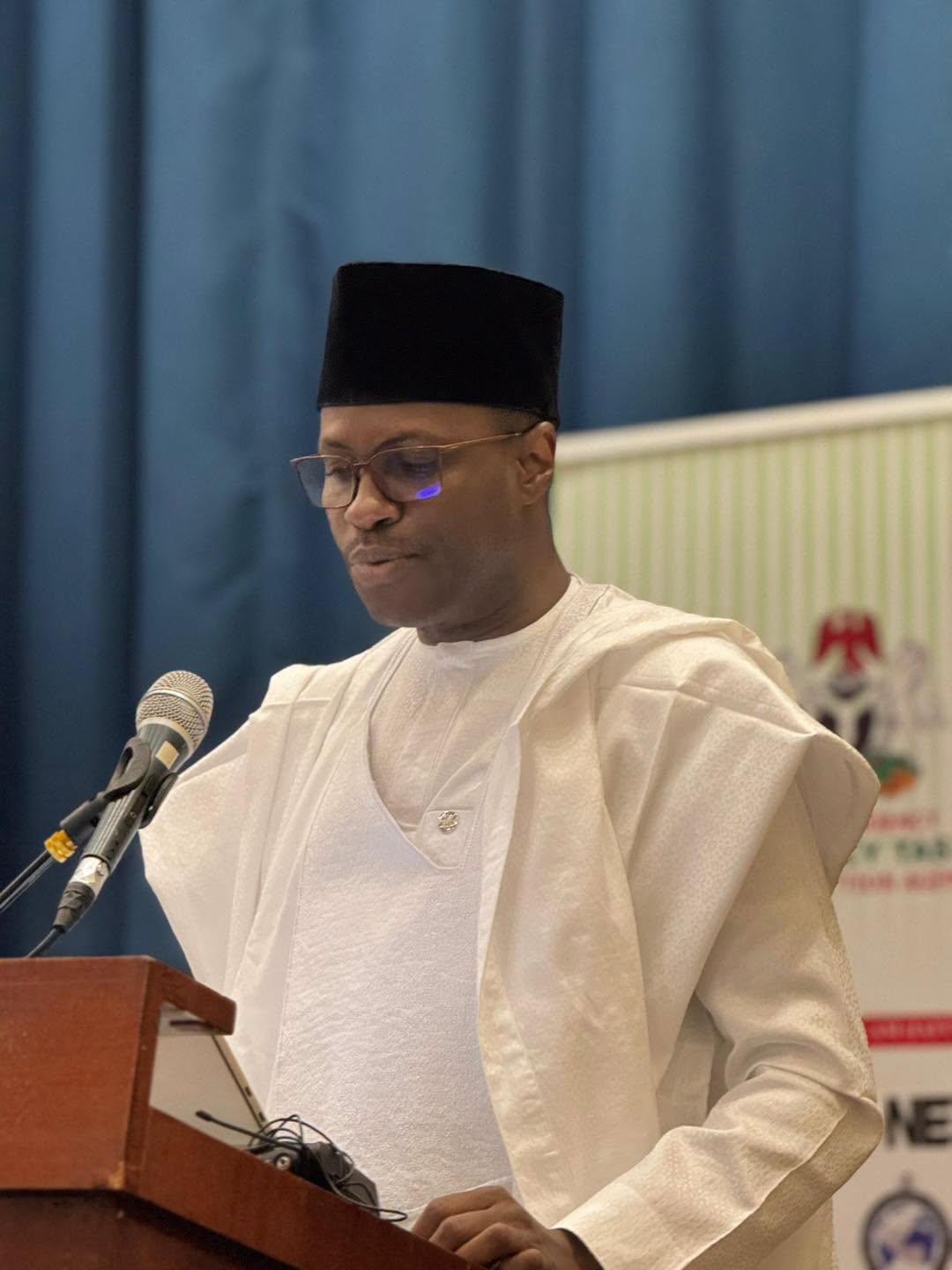
Abuja, Nigeria – Corruption remains deeply entrenched across Africa, with eight in every 10 citizens believing it occurs “always” or “often,” according to a new study cited by the Chairman of Nigeria’s Independent Corrupt Practices and Other Related Offences Commission (ICPC), Dr. Musa Adamu Aliyu.
Addressing the commemoration of African Union Anti-Corruption Day in Abuja, Dr. Aliyu called for a united continental response to tackle corruption, urging governments, anti-corruption agencies, civil society organizations, the private sector, the media and citizens to work together to strengthen integrity and accountability.
The event, held under the theme “Scaling Up the Promotion of Integrity and Anti-Corruption Actions Across Africa,” brought together government officials, anti-corruption institutions and development partners to examine the growing threat corruption poses to Africa’s development.
Dr. Aliyu said findings from the 2025 Commonwealth Africa Anti-Corruption Centre (CAACC) study, which surveyed respondents across 14 African countries, paint a worrying picture of public confidence in governance. According to the study, 80 percent of respondents believe corruption is a frequent occurrence, while the absence of integrity remains one of the principal drivers of graft.
“These findings remind us that promoting integrity is not merely aspirational; it is an evidence-based imperative,” the ICPC Chairman said.
He stressed that combating corruption requires more than prosecution, noting that the Commission continues to pursue a three-pronged strategy centered on prevention, enforcement and public education. He said the ICPC is working with Ministries, Departments and Agencies (MDAs) to strengthen institutional safeguards and eliminate opportunities for corruption before they occur.
The anti-graft agency is also investing heavily in shaping the next generation through integrity-focused education. Dr. Aliyu highlighted initiatives such as Integrity Clubs in secondary schools, anti-corruption lectures for members of the National Youth Service Corps (NYSC), and partnerships with universities and the Nigerian Law School to integrate ethics and anti-corruption studies into legal education.
According to him, these initiatives align with the CAACC study, which identified public awareness campaigns and school-based anti-corruption programmes among the most effective preventive tools against corruption.
Delivering the keynote address, Nigeria’s Attorney-General of the Federation and Minister of Justice, Prince Lateef Fagbemi, represented by Mrs. Gladys Odegbaro, described corruption as one of Africa’s greatest development obstacles, warning that it diverts resources away from critical sectors including healthcare, education, infrastructure, food security and social protection.
He said corruption also weakens democratic institutions, fuels insecurity and erodes public trust in government.
“The antidote to corruption is integrity. Integrity is the foundation of good governance and the cornerstone of public confidence in governance,” he said.
The Attorney-General reaffirmed the Nigerian government’s commitment to strengthening public institutions, improving transparency and accountability, enhancing collaboration among anti-corruption agencies, modernizing the criminal justice system and leveraging technology to reduce opportunities for corruption in public service delivery.
Earlier, Head of the Technical Unit on Governance and Anti-Corruption Reforms (TUGAR), Jane Onwumere, said the annual commemoration provides an opportunity for governments and stakeholders across Africa to renew their commitment to implementing the African Union Convention on Preventing and Combating Corruption.
She emphasized that promoting integrity is a shared responsibility that extends beyond governments and anti-corruption agencies to include businesses, civil society, educational institutions and ordinary citizens.
The event also featured goodwill messages from several governance and accountability institutions, including the Code of Conduct Bureau (CCB), the Public Complaints Commission (PCC), the Rule of Law and Anti-Corruption (RoLAC) Programme, and the Centre for Democracy and Development (CDD).
Participants also examined emerging anti-corruption challenges during a panel discussion on strengthening integrity systems across Africa, while the Executive Director of the African Parliamentarians Against Corruption (APNAC), Ashley Emenike, presented a paper on the status of Nigeria’s proposed Whistleblower and Witness Protection Bill, highlighting the need for stronger legal protections for individuals who expose corruption.
The commemoration comes as African governments continue to face growing public demands for greater accountability, transparency and stronger institutions capable of tackling corruption, which experts say remains one of the continent’s biggest barriers to sustainable development, economic growth and democratic governance.