Breaking News
Popular News

By CTV Africa
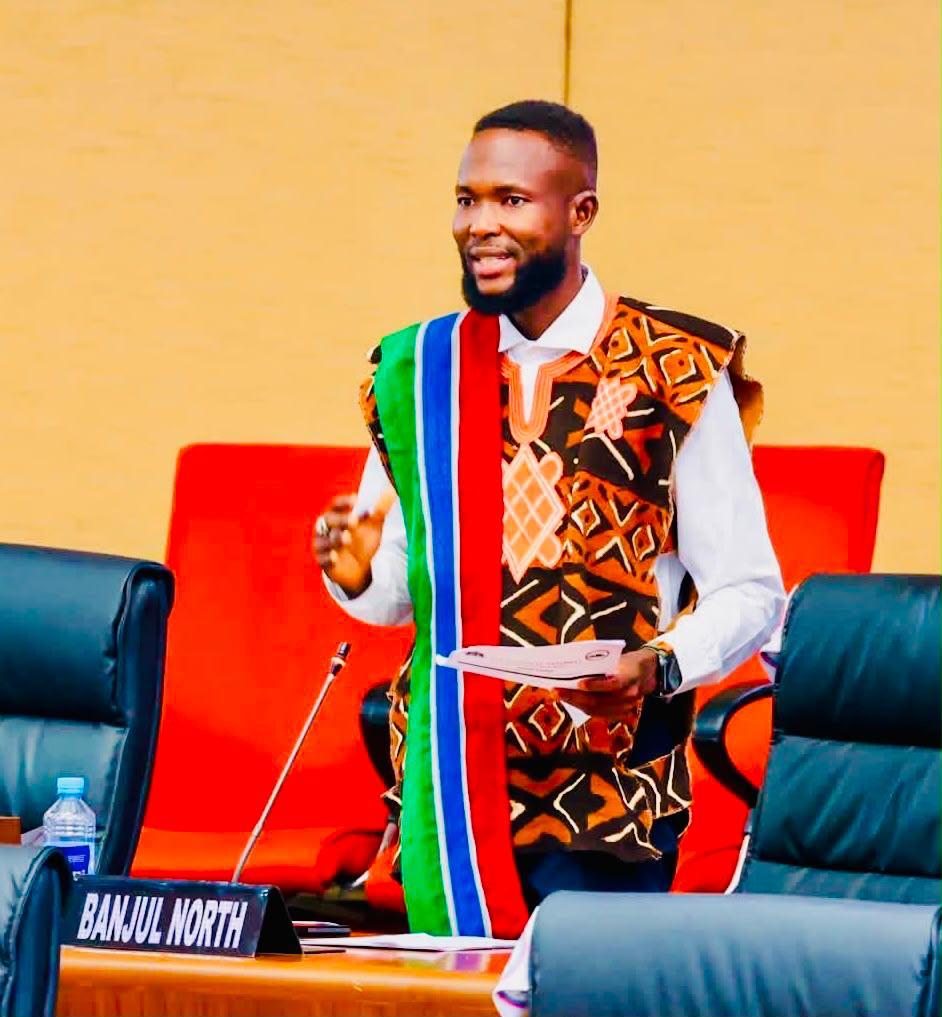
Banjul, The Gambia – National Assembly Member for Banjul North, Hon. Modou Lamin B. Bah, has stated that The Gambia has the legal right under international law to defend its territorial integrity if another state uses armed force to enter its territory and damage state infrastructure.
In a statement published following the reported border incident at the Bullock Military Camp, Hon. Bah cited Article 51 of the United Nations Charter, arguing that every sovereign state has an inherent right to self-defence in the event of an armed attack.
According to the lawmaker, the reported demolition of part of the military camp’s perimeter fence by armed personnel, if confirmed, constitutes more than a simple border disagreement.
He argued that under international law, respect for the territorial integrity and political independence of states is a fundamental principle enshrined in Article 2(4) of the UN Charter, which prohibits the threat or use of force against another state’s territory.
Hon. Bah explained that an armed incursion may include the unauthorized entry of armed personnel into another state’s territory, the use of force to alter conditions on the ground, and the destruction of border infrastructure such as fences, patrol posts, or boundary markers.
He maintained that demolishing border infrastructure is a serious act because it represents an attempt to alter the physical manifestation of a country’s sovereignty.
Referring to Article 51 of the UN Charter, the Banjul North legislator said the provision recognizes the inherent right of individual or collective self-defence when an armed attack occurs against a United Nations member state.
He noted that while international law permits a state to defend itself, any response must satisfy the principles of necessity and proportionality. According to him, force should only be used where it is required to stop or repel an incursion, and the response should be limited to restoring the status quo rather than escalating the conflict.
Hon. Bah further stated that the Government of The Gambia has both political and diplomatic responsibilities to formally protest any violation of the country’s territorial integrity, seek the withdrawal of any foreign forces, and engage regional and international bodies, including ECOWAS, the African Union, and the United Nations.
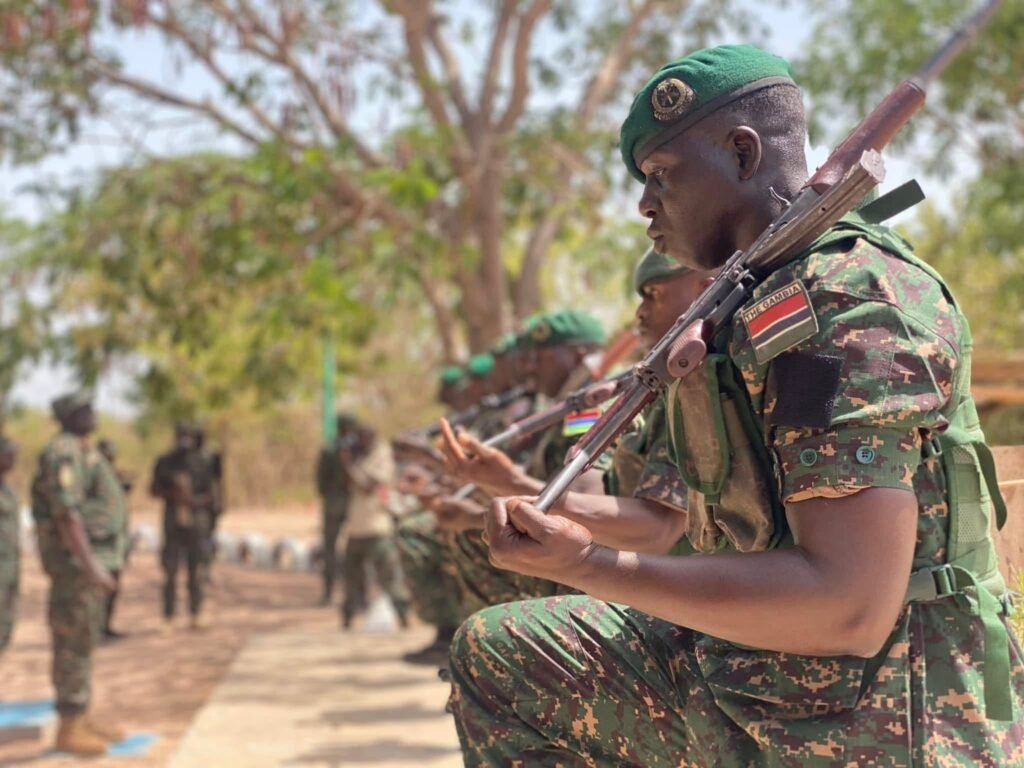
He added that the Gambia Armed Forces have an operational responsibility to monitor the country’s borders, protect state assets, and respond to any ongoing violations in accordance with the law.
The lawmaker also warned that failure to challenge or protest territorial encroachments could weaken a state’s legal position over time under international law.
Despite his arguments in favour of the right to self-defence, Hon. Bah emphasized that peace and diplomacy should remain the first option, urging that dialogue and established regional mechanisms be fully utilized before any use of force.
He concluded that while The Gambia should continue pursuing peaceful solutions, it retains the legal right under Article 51 of the UN Charter to take necessary and proportionate measures to defend its sovereignty and territorial integrity if faced with an armed incursion.
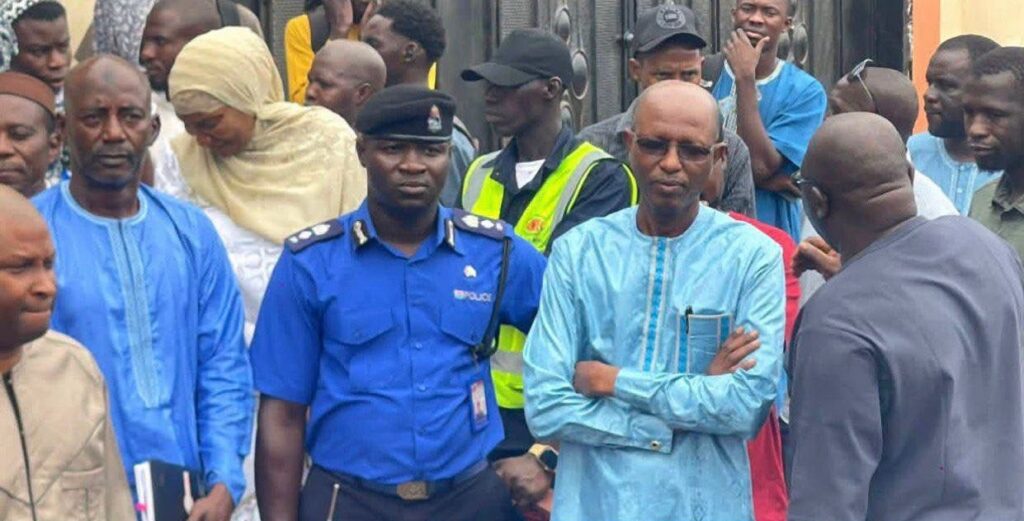
The statement comes amid ongoing diplomatic engagement between The Gambia and Senegal following the reported demolition of part of the perimeter fence at the Bullock Military Camp, an incident both governments have acknowledged while expressing their commitment to resolving the matter through dialogue and existing bilateral mechanisms.