Breaking News


By Pa Modou Cham
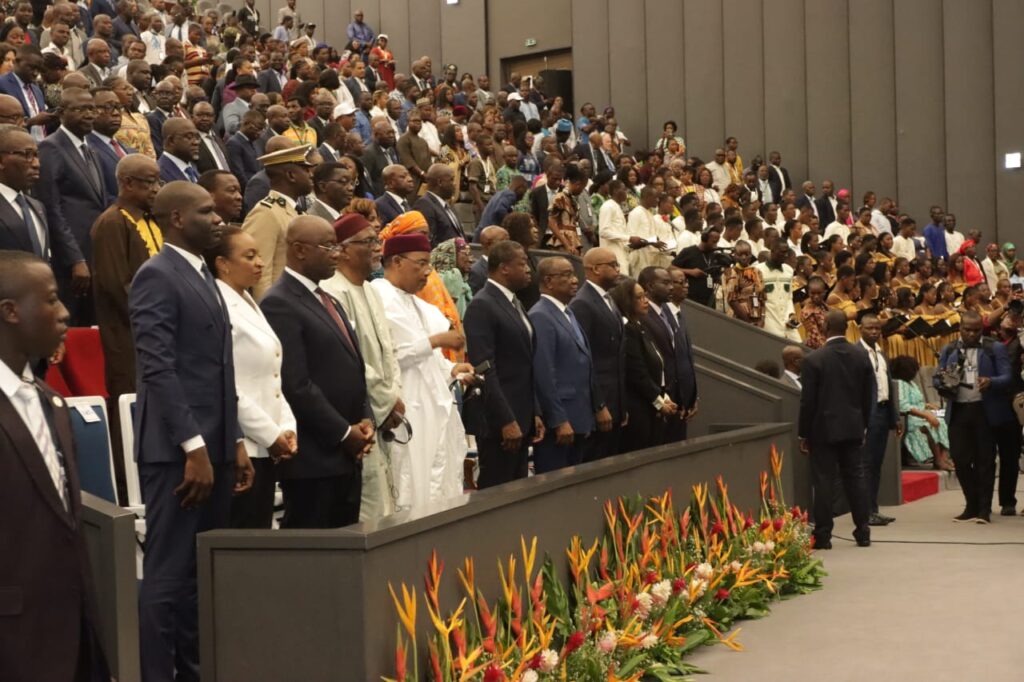
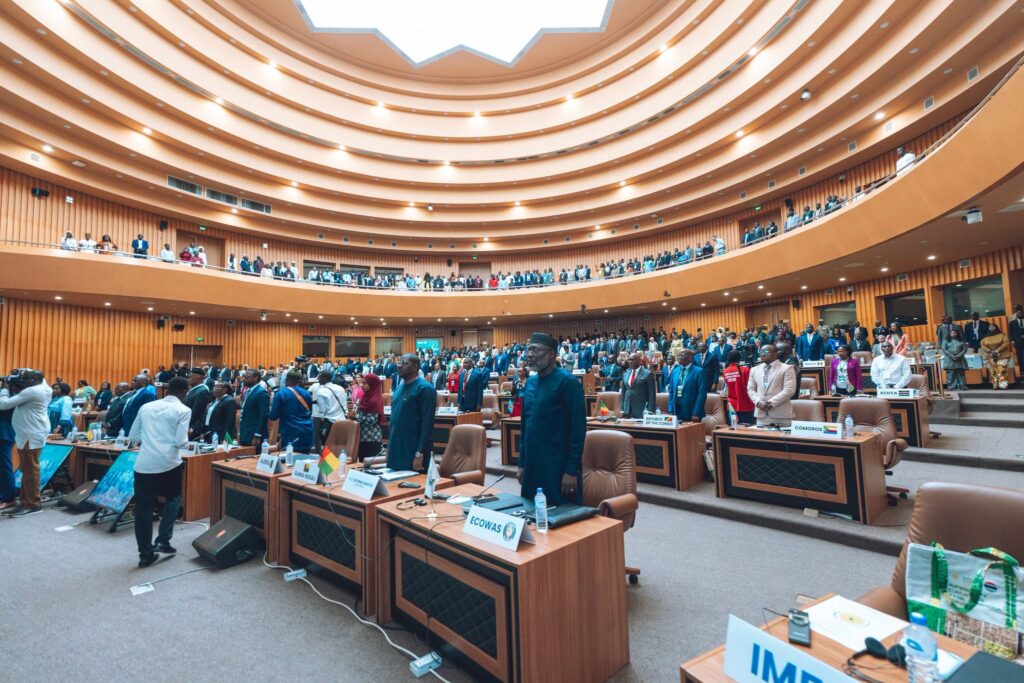
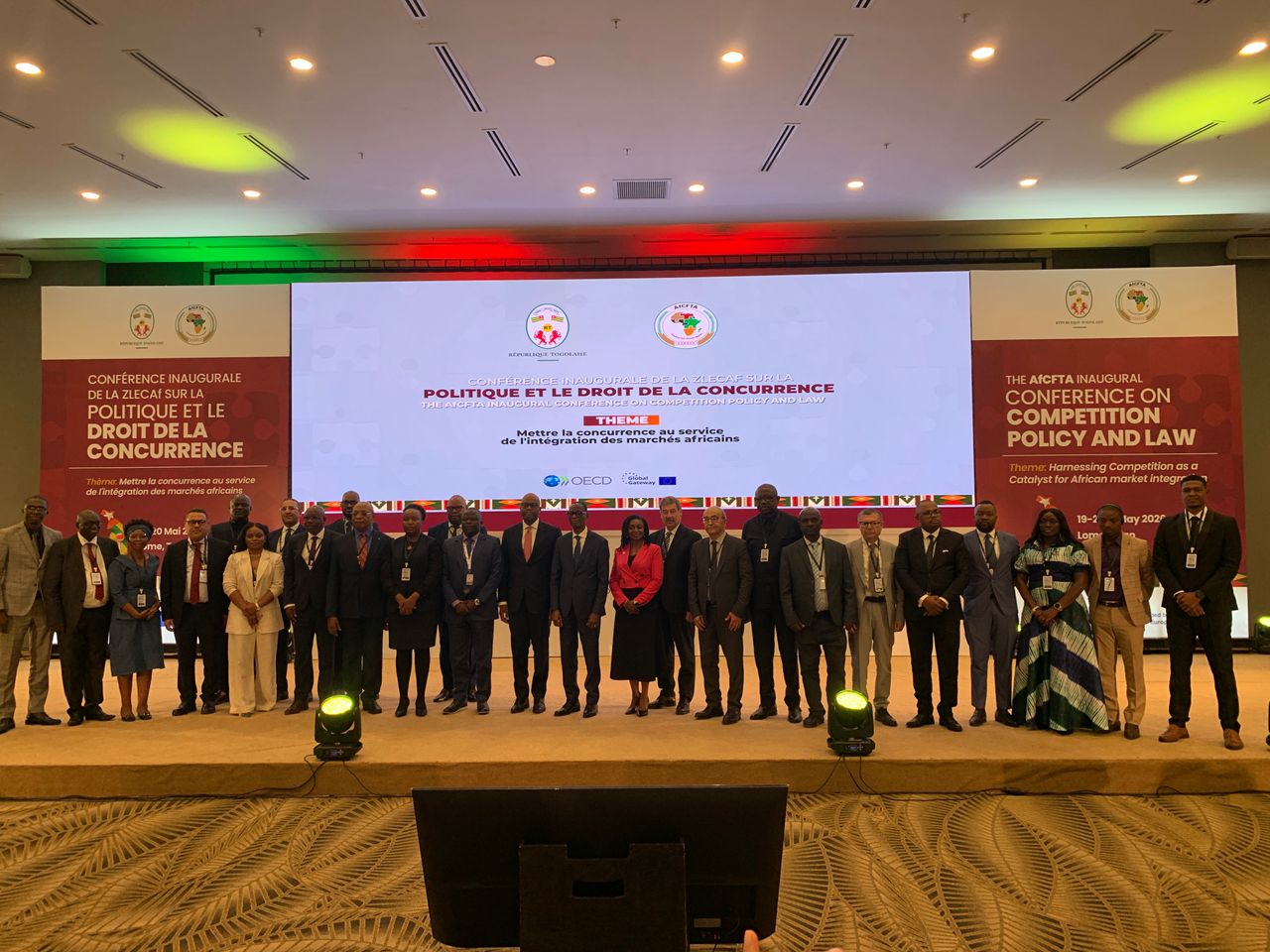
The inaugural conference on competition policy and law under the African Continental Free Trade Area (AfCFTA) opened in Lomé, Togo, with African leaders, regional institutions and international partners calling for stronger competition frameworks to accelerate continental market integration.
Held under the theme “Harnessing Competition as a Catalyst for African Market Integration,” the two-day conference brought together policymakers, trade experts, regional competition authorities and development partners to discuss how fair competition can support Africa’s single market ambitions.
Mr. Badanam Patoki, Minister of Economy and Strategic Monitoring of Togo, announced that Africans entering Togo will no longer require visas, describing the move as a critical step toward achieving the AfCFTA’s vision of a truly integrated African market.
The minister said the Togolese government regretted the visa difficulties experienced by some conference participants and confirmed that the new visa-free policy was intended to facilitate movement across Africa.
“Anyone who comes to Togo will not need a visa,” Patoki declared, adding that Africa could not build a successful single market while barriers to movement remained across the continent.
He expressed hope that other African countries would adopt similar measures and reaffirmed Togo’s commitment to implementing AfCFTA competition rules and strengthening its legal framework on competition and consumer protection.
Patoki noted that Togo was ranked among the top three African countries in operationalizing the AfCFTA in 2025 and revealed that the country was revising its competition legislation to align with regional, continental and international standards. He stressed that competition policy is essential in ensuring that the benefits of trade liberalization are not undermined by anti-competitive practices.
Wamkele Mene, Secretary-General of the AfCFTA Secretariat, emphasized that competition policy is central to Africa’s economic integration agenda, warning that trade liberalization without fair competition would produce an incomplete integration model.
“If we have open borders, but we allow cartels to partition markets behind those open borders, we will not succeed,” Mene said.
He explained that the AfCFTA competition protocol emerged after years of negotiations during which African leaders realized that integrating markets required more than just reducing tariffs.
Mene stressed the importance of linking trade policy, industrial policy, aviation policy and competition policy together to create an integrated African economy. He also disclosed that some African stakeholders initially resisted the idea of a continental competition framework because they preferred maintaining fragmented markets.
“I was surprised by the pushback and the resistance by some Africans… who desired to maintain fragmentation and maintain a colonial economic model,” he said.
The AfCFTA Secretary-General clarified that the future continental competition authority would not replace national or regional authorities but would instead complement their work under a harmonized continental framework.
Frantisek RUZICKA, Deputy Secretary-General of the OECD, praised Togo’s visa-free announcement and compared it to the impact of visa liberalization within the European Union.
Ruzicka said freer movement in Europe boosted economic growth, mobility and regional integration, arguing that Africa could experience similar gains.
He stressed that tariff removal alone would not transform African economies unless countries also guaranteed open and competitive markets.
“Competition determines outcomes, not administrative measures through price control policies,” he stated.
The OECD official revealed that nearly a quarter of African jurisdictions still lacked competition law frameworks, while 75 percent of African competition authorities were less than 20 years old.
He pointed to persistent challenges including price controls, weak enforcement against anti-competitive practices and exemptions granted to some state-owned enterprises, but said African competition agencies were making steady progress in merger regulation and market enforcement.
Adefunke Adeyemi, Secretary General of the African Civil Aviation Commission (AFCAC) said air transport must be treated as a strategic enabler of the AfCFTA and not merely as an aviation issue.
Speaking on behalf of the African Civil Aviation Commission, Adeyemi commended Togo’s visa-free policy, describing it as a transformative decision for trade and socio-economic development in Africa.
“You cannot have an integrated market without the ability to move people through that market,” she said.
Adeyemi explained that the Single African Air Transport Market and the AfCFTA are interconnected and argued that poor air connectivity continues to limit intra-African trade.
She noted that many African air routes remain indirect and expensive, often forcing travelers and goods to pass through non-African hubs before reaching destinations on the continent.
The AFCAC Secretary General called for harmonized aviation regulations, reduced transport costs and stronger cooperation among African institutions to facilitate continental integration.
Willard Mwemba, CEO of the COMESA Competition and Consumer Commission, whose speech was delivered by a representative after he reportedly experienced visa challenges, said regional cooperation remains essential to strengthening competition enforcement across Africa.
The COMESA Competition and Consumer Commission noted that several regional blocs including COMESA, ECOWAS and the East African Community had made major progress in establishing competition authorities and merger control systems.
The speech highlighted that the AfCFTA competition protocol provides a platform for harmonizing national and regional competition systems while addressing overlapping jurisdictions.
According to the COMESA Commission, exports within COMESA reached approximately US$195 billion in 2024, while intra-COMESA trade increased from US$10 billion in 2020 to US$14 billion in 2022.
The commission also highlighted new regulations introduced in December 2025 to regulate digital markets and address competition issues involving online gatekeepers.
Talime Abe, Togolese Director General of Trade, described the conference as an important platform for discussing both the opportunities and challenges surrounding competition policy under the AfCFTA.
He stated that competition law is critical in promoting healthy trade free from market distortions and anti-competitive practices.
“The rights of competition are essential to promote trade in a healthy and without distortion,” Abe said.
He further emphasized the importance of strengthening cooperation between national, regional and international competition authorities to support Africa’s continental market ambitions.
Simeon Koffi, Director General, ECOWAS Regional Competition Authority, said competition and market integration are inseparable and warned that weak competition systems continue to undermine Africa’s integration agenda.
“Without competition, there is no real market, and without integrated markets, there can be no shared prosperity,” Koffi said.
He explained that ECOWAS adopted its competition policy in 2017 and formally established its regional competition authority a year later.
Koffi acknowledged several challenges facing West Africa and the broader continent, including weak intra-African trade, regulatory barriers, informal markets, limited technical capacity and fragmented legal systems.
He stressed that purely national approaches were insufficient for tackling cross-border anti-competitive practices and called for stronger continental cooperation under the AfCFTA framework.