Breaking News

Popular News

By Pa Modou Cham
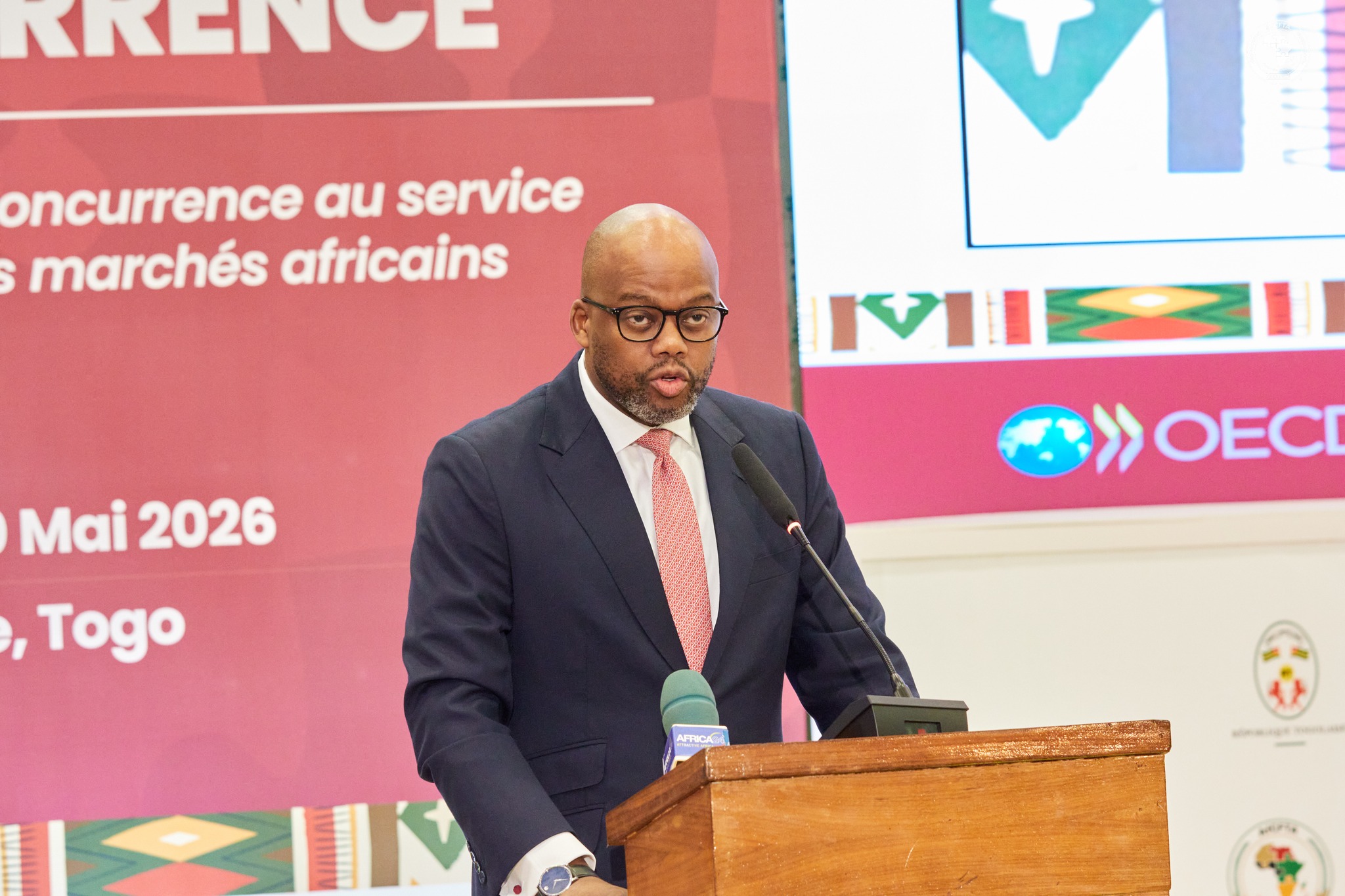
The Secretary-General of the African Continental Free Trade Area (AfCFTA) Secretariat, Wamkele Mene, has stressed that the success of the AfCFTA will depend on whether ordinary Africans, especially small businesses, can feel its impact in their daily lives.
Speaking in an exclusive interview with this medium on the sidelines of the 3rd Biashara Afrika Conference in Lomé, Mene said Pan-Africanism must move beyond political rhetoric and become a practical reality that creates jobs, expands trade opportunities and improves livelihoods across the continent.
His remarks carry significant importance for smaller economies like The Gambia, where businesses continue to struggle with limited industrial capacity, weak export infrastructure, high trade costs and inadequate digital systems needed to compete effectively in continental markets.
“During Biashara Africa, one of our focus areas has been how do we make sure that the AfCFTA becomes a reality for small and medium enterprises,” Mene said, noting that many SMEs actively participated in the forum’s discussions and engagements.
For countries like The Gambia, where small and medium enterprises dominate the economy, Mene’s emphasis on reducing the cost of trade finance, improving advisory support and helping businesses access African markets could prove critical in enabling local entrepreneurs to benefit from the AfCFTA.
“We have been taking these steps to make sure that the AfCFTA touches all Africans’ lives and does not just end as a mega trade agreement or appear to be a diplomatic exercise,” he stated.
Mene acknowledged growing concerns that larger and more industrialized African economies could dominate the benefits of the AfCFTA, leaving weaker economies behind. However, he revealed that the AfCFTA Secretariat, together with Afreximbank, had introduced the AfCFTA Adjustment Fund specifically to support countries with weaker export bases and limited production capacity.
For The Gambia, whose economy heavily relies on imports, tourism and small-scale trade, the initiative could provide opportunities for investment in export-oriented industries, agro-processing, logistics and digital commerce.
“The bigger economies were expected to be the first out of the block, but our focus must be on all those other countries that are politically committed. The question is how do we build their capacity to export?” Mene said.
He further stressed the need for special economic zones, industrial infrastructure and data centers to be developed across the continent rather than being concentrated only in Africa’s largest economies.
Mene also pointed to Africa’s digital gap as both a challenge and an opportunity, particularly for countries with weak internet connectivity and limited digital infrastructure.
In The Gambia, where online commerce and digital payment systems are still developing, improved broadband access and investment in digital public infrastructure could help small businesses participate more actively in regional trade and e-commerce under the AfCFTA framework.
“Opening opportunities for the private sector to invest in Africa’s digital public infrastructure is key to enabling affordable broadband and mobile commerce,” he explained.
The AfCFTA Secretary-General said stronger digital infrastructure would help unlock commerce through mobile devices and expand opportunities for millions of Africans currently excluded from formal trade systems.
His remarks come as African leaders and business executives intensify efforts to transform the AfCFTA into the world’s largest free trade area by membership, connecting more than 1.4 billion people and creating new opportunities for trade, industrialization and economic growth across the continent.