



Africa Calls for Fairer Global Financial System as Leaders Push Investment Over Aid
Share your love
By Pa Modou Cham
BANJUL, The Gambia — African leaders have mounted a renewed campaign for a fundamental overhaul of the global financial system, arguing that the continent’s economic transformation will remain constrained unless international institutions address what they describe as unfair investment perceptions, high borrowing costs and inadequate access to long-term financing.
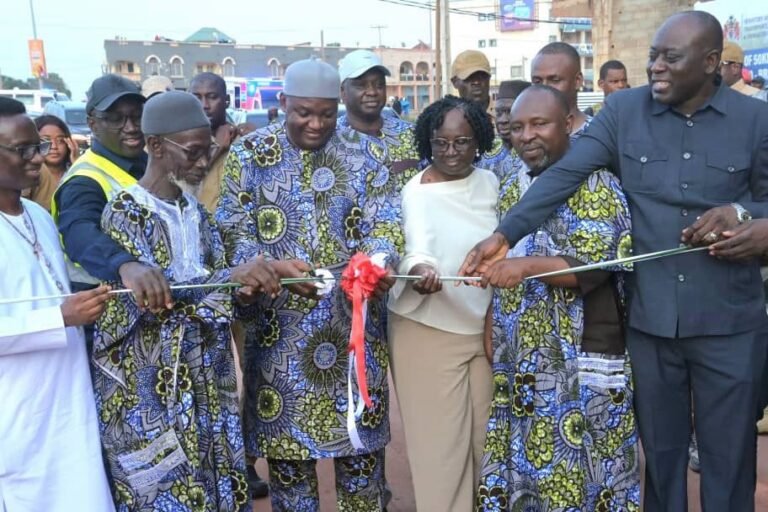
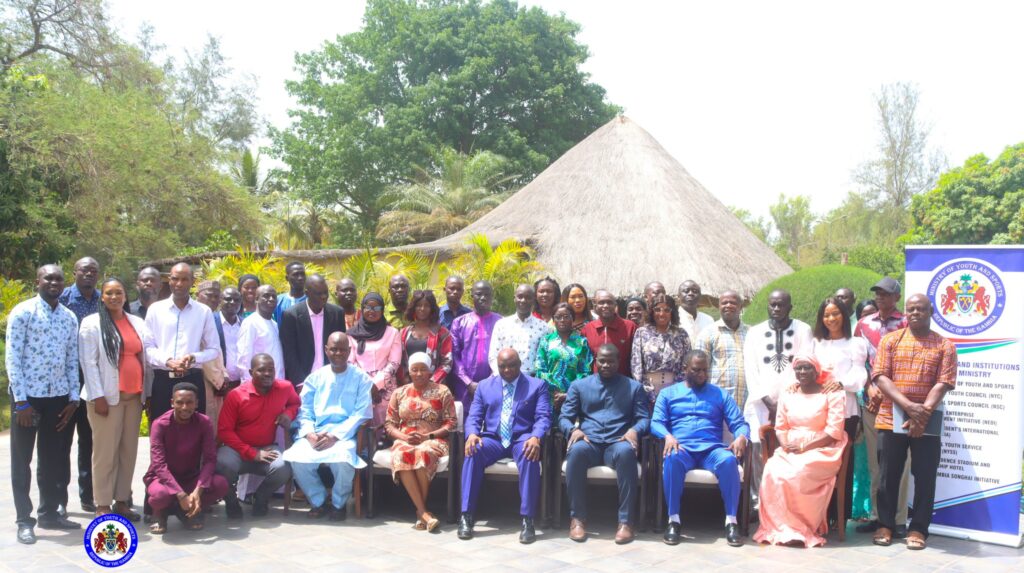
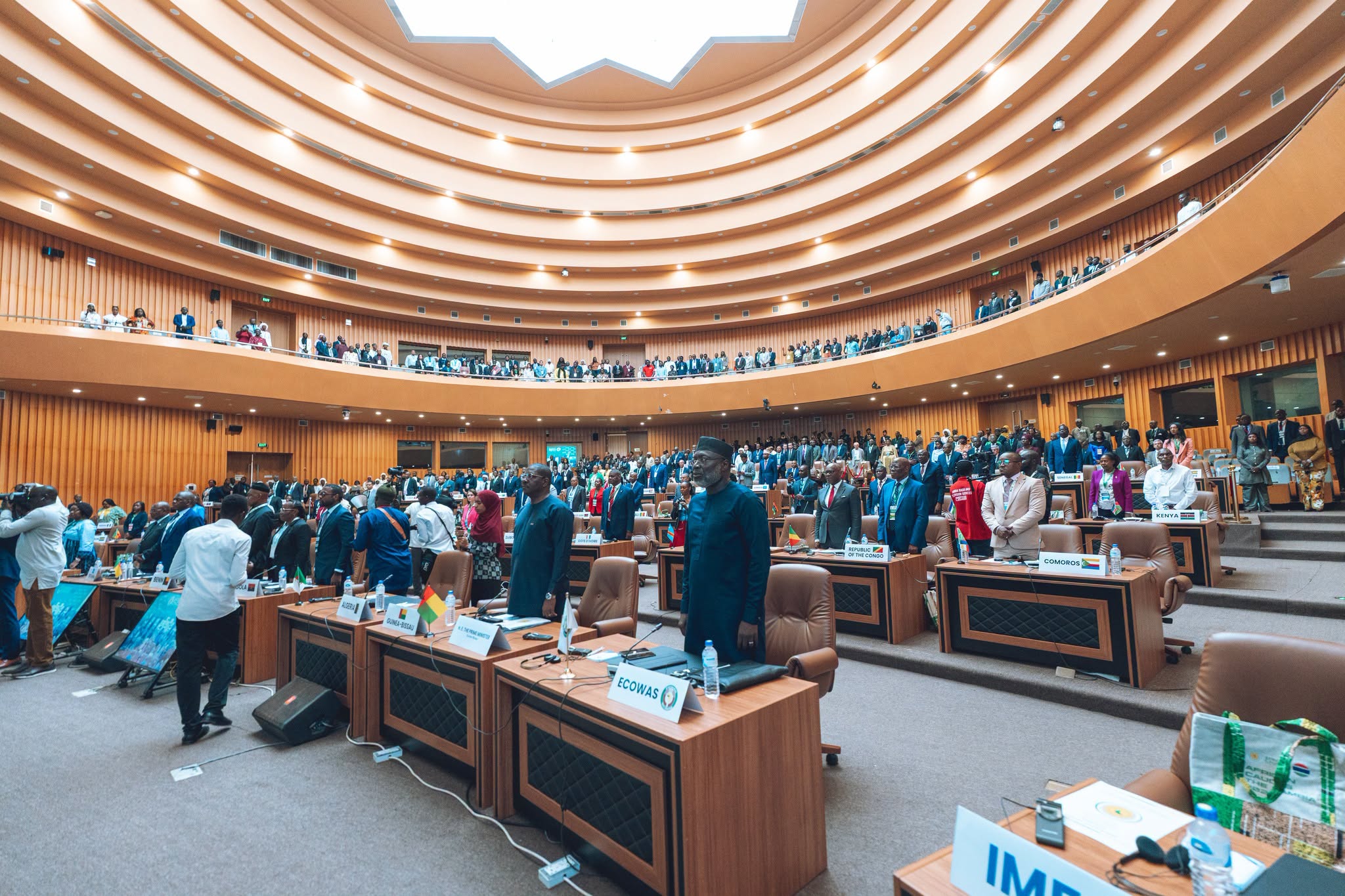
The call dominated discussions during the opening ceremony of the 2026 African Caucus Meeting in Banjul, where delegates emphasized that Africa is no longer seeking charity but equitable partnerships capable of accelerating sustainable economic growth.
Although speakers acknowledged the long-standing support provided by the International Monetary Fund (IMF), the World Bank and other development partners, they insisted that the existing financial architecture no longer reflects Africa’s evolving economic realities.
Delivering one of the ceremony’s most forceful addresses, Deputy Chairperson of the African Union Commission, Ambassador Selma Malika Haddadi, challenged what she described as an outdated investment framework that continues to portray Africa primarily through the lens of risk rather than opportunity.
“This issue before us is not simply how Africa can attract more capital,” she said. “The deeper question is under what framework will Africa’s development be financed, by whom, at what cost, under which conditions and to what end.”
According to Haddadi, international investors continue to assess Africa using assumptions that fail to recognize the continent’s rapid transformation through urbanization, entrepreneurship, technological innovation and regional economic integration.
“That old framework no longer fits the Africa of today, and it certainly does not fit the Africa of tomorrow,” she declared.
She argued that Africa has become one of the defining economic stories of the 21st century, yet global financial markets continue to attach disproportionately high risk premiums to African economies, making development financing unnecessarily expensive.
The result, she warned, is chronic underinvestment in critical sectors such as manufacturing, agriculture, healthcare, clean energy, logistics and digital infrastructure.
“When Africa is priced through outdated assumptions rather than present realities and future fundamentals, capital becomes too expensive, productive sectors remain underfinanced and the continent’s transformation is delayed,” Haddadi said.
Her remarks reflected growing frustration among African policymakers over sovereign credit ratings that many governments believe exaggerate investment risks while ignoring ongoing economic reforms across the continent.
The African Union is therefore advocating reforms to global credit rating practices while supporting the establishment of an African Credit Rating Agency that would provide assessments based on African realities and long-term development prospects.
“We need a system that reflects context, recognizes reform, captures resilience and properly values long-term development trajectories,” Haddadi stressed.
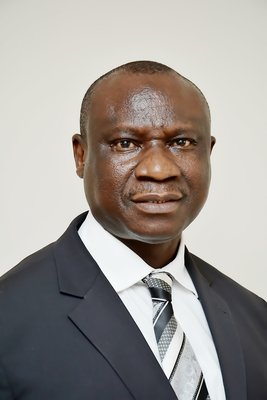
Finance Minister Seedy Keita of The Gambia reinforced the message, arguing that Africa’s future depends on mobilizing significantly more domestic and international investment to finance structural transformation.
He said African governments must strengthen domestic revenue systems, deepen capital markets and improve access to finance for businesses, particularly small and medium-sized enterprises that remain the backbone of most African economies.
“We must mobilize the resources needed to power our ambitions,” Keita said.
He also emphasized the importance of presenting a united African position during engagements with the IMF and World Bank, calling for global financial institutions to align more closely with the continent’s own development priorities.
“Our collective strength lies in our unity of purpose and in our ability to speak with one voice about what Africa needs to thrive,” he told delegates.
Gambian president Adama Barrow similarly urged international partners to intensify support for domestic resource mobilization, tax modernization and digital reforms that would enable African countries to generate more of their own development financing.
He highlighted illicit financial flows as another significant obstacle, calling for stronger international tax cooperation to prevent billions of dollars from leaving the continent each year through illegal channels.
Barrow also stressed that while external partnerships remain important, African governments must continue strengthening public financial management, expanding domestic tax bases and leveraging digital technology to improve transparency and efficiency.
The discussions also revealed a broader shift in Africa’s development narrative, from dependence on aid toward investment-driven growth.
President of the African Development Bank Group, Dr. Sidi Ould Tah, argued that Africa possesses the financial resources needed to transform its economies but lacks mechanisms capable of mobilizing capital at the required scale.
He identified what he called four major paradoxes confronting the continent.
Despite accounting for 18 percent of the world’s population, possessing more than 30 percent of global mineral reserves and over 60 percent of the world’s uncultivated arable land, Africa contributes only about three percent of global GDP and trade.
Likewise, while the continent faces an estimated annual financing gap of approximately $400 billion, more than $4 trillion remains held in African banks, insurance companies, pension funds and sovereign wealth funds.
“Africa has the resources,” Tah said. “What we need now is the collective will to act with speed, at scale and in synergy.”
Rather than relying solely on multilateral development banks, he argued that Africa must increasingly mobilize domestic savings while using development finance institutions to de-risk investments and attract significantly larger volumes of private capital.
He also called on the IMF to provide greater flexibility, additional concessional financing and increased allocation of Special Drawing Rights to African countries still recovering from successive global crises, including the COVID-19 pandemic, the war in Ukraine and ongoing geopolitical instability.
The World Bank also acknowledged that mobilizing private investment will be essential if Africa is to meet its development ambitions.
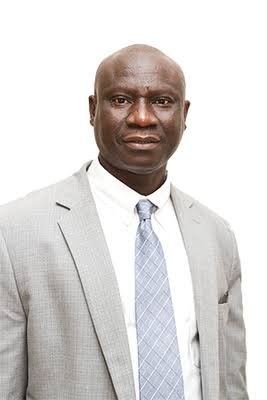
World Bank Vice President for Western and Central Africa Ousmane Diagana said governments alone cannot create the millions of jobs required for Africa’s rapidly expanding workforce.
Instead, he argued, policies must encourage greater private sector investment by improving business environments, expanding infrastructure and strengthening regional integration under the African Continental Free Trade Area.
The institution has therefore prioritized attracting private capital alongside investments in energy, agriculture, manufacturing, tourism and healthcare.
As deliberations continue in Banjul, delegates are expected to formulate a common African position ahead of engagements with the Bretton Woods institutions later this year.
The emerging consensus is clear: Africa is not asking the international community to lower standards or increase aid indefinitely. Rather, its leaders want a global financial system that accurately reflects the continent’s economic potential, rewards reform, lowers the cost of capital and enables African countries to finance their own transformation.
For many participants, achieving that objective could determine whether Africa realizes its promise as one of the world’s fastest-growing economic frontiers or continues to struggle against financial barriers created far beyond its borders.