Breaking News



The Edward Francis Small Centre for Rights and Justice has raised alarm over what it describes as increasing democratic backsliding, corruption, and human rights violations in The Gambia, despite gains recorded since the end of former President Yahya Jammeh’s rule in 2017.
The concerns are contained in the organization’s maiden “State of Human Rights in The Gambia 2025” report, released in April 2026. The 74-page report presents what it calls a “mixed picture” of progress and persistent structural challenges facing the country’s democratic transition.
According to the report, freedoms of expression, association, and the media have improved significantly compared to the Jammeh era, while institutions such as the National Human Rights Commission and the Anti-Corruption Commission have been established. However, the organization argues that weak enforcement of laws, corruption, police brutality, and political interference continue to undermine human rights protections.
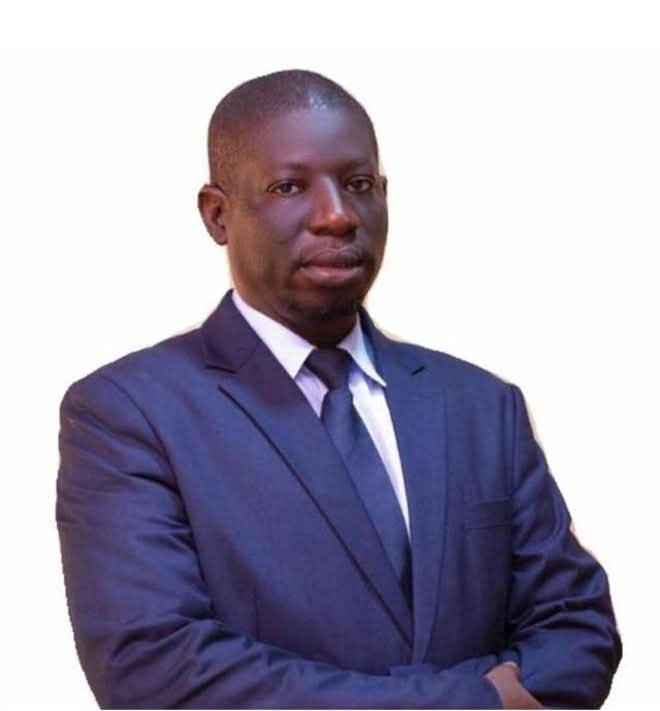
In the foreword of the report, EFSCRJ Executive Director Madi Jobarteh questioned whether the promises of the “New Gambia” had been fulfilled.
“The evidence assembled in these pages answers with unsettling clarity: No. Not yet,” Jobarteh wrote, warning that the country risks reversing democratic gains unless “urgent, decisive action is taken.”
The report criticizes the slow implementation of recommendations from the Truth, Reconciliation and Reparations Commission, noting that only 60 out of 304 planned implementation activities had been completed by May 2025.
It also highlights concerns over the disposal of former President Yahya Jammeh’s assets, saying allegations of corruption and lack of transparency sparked youth-led protests under the banner of Gambians Against Looted Assets.
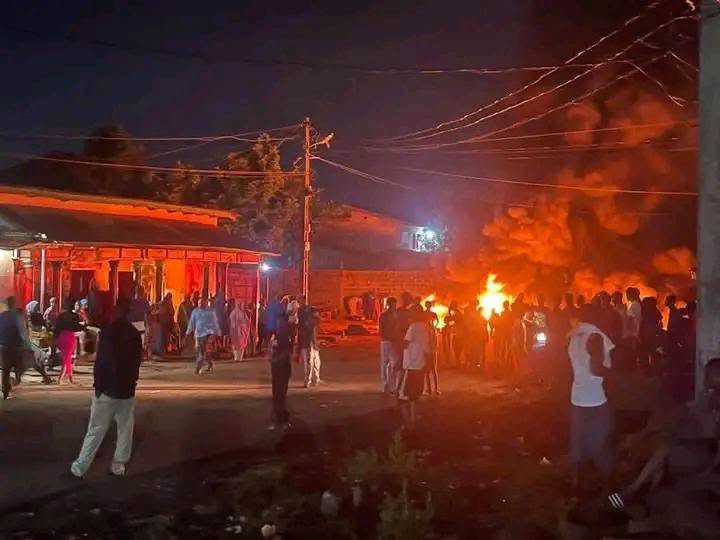
On civic freedoms, the report documents multiple incidents involving the arrest of protesters and activists in 2025. It states that at least 40 young people are currently facing trial or police charges linked to “unlawful assembly” after participating in demonstrations against corruption and high data prices.
The organization further accused the police of excessive use of force, arbitrary arrests, and intimidation of dissenting voices. It cited cases involving protesters from Gambians Against Looted Assets, EFSCRJ, and TSGP during demonstrations in Banjul and Kanifing.
The report also raised concerns about constitutional reform failures, arguing that the rejection of both the 2020 and 2024 draft constitutions has left the country operating under what it calls the “authoritarian” 1997 Constitution.
On economic and social rights, EFSCRJ noted persistent poverty, unemployment, rising living costs, and inadequate access to quality healthcare and education, especially for vulnerable groups and rural communities.
Despite the concerns raised, the organization acknowledged improvements in civic participation, media diversity, and legal reforms since the political transition in 2017. It called on the government, judiciary, National Assembly, and international partners to strengthen accountability, uphold the rule of law, and protect democratic freedoms.
The report concludes that while foundations for a rights-respecting democratic state exist, failure to enforce laws and address systemic inequalities threatens to erode the gains made since the end of authoritarian rule.